
Install the app
How to install the app on iOS
Follow along with the video below to see how to install our site as a web app on your home screen.
Notera: This feature may not be available in some browsers.
Du använder en föråldrig webbläsare. Det får inte visa dessa eller andra webbplatser korrekt.
Du bör uppgradera eller använda en alternativ webbläsare .
Du bör uppgradera eller använda en alternativ webbläsare .
Religionstråden.
- Trådstartare Broder Tuk Tuk
- Start datum

AmenInga snuskiga uttryck är tillåtna i öppet forum.

Broder Tuk Tuk
Forumveteran
Omoralen fortsätter att flöda bland munkarna i Thailand.

 thepattayanews.com
Chonburi Investigators Arrest Monk and Two Women with Nearly 900 Yaba Pills in Nong Pla Lai Temple Quarters - The Pattaya News
– Chonburi provincial investigators raided a monk’s quarters at a meditation center in Nong Pla Lai and seized 891 yaba tablets plus ice and paraphernalia. – The monk, known as Luang Phi Ja (Chakrin, 44), had 200 pills in his shoulder bag; the rest were hidden in the room. – Two women found...
thepattayanews.com


Isan Lover
Forumveteran
Hej
German retiree seeks final resting place at Phitsanulok temple
19 hours ago
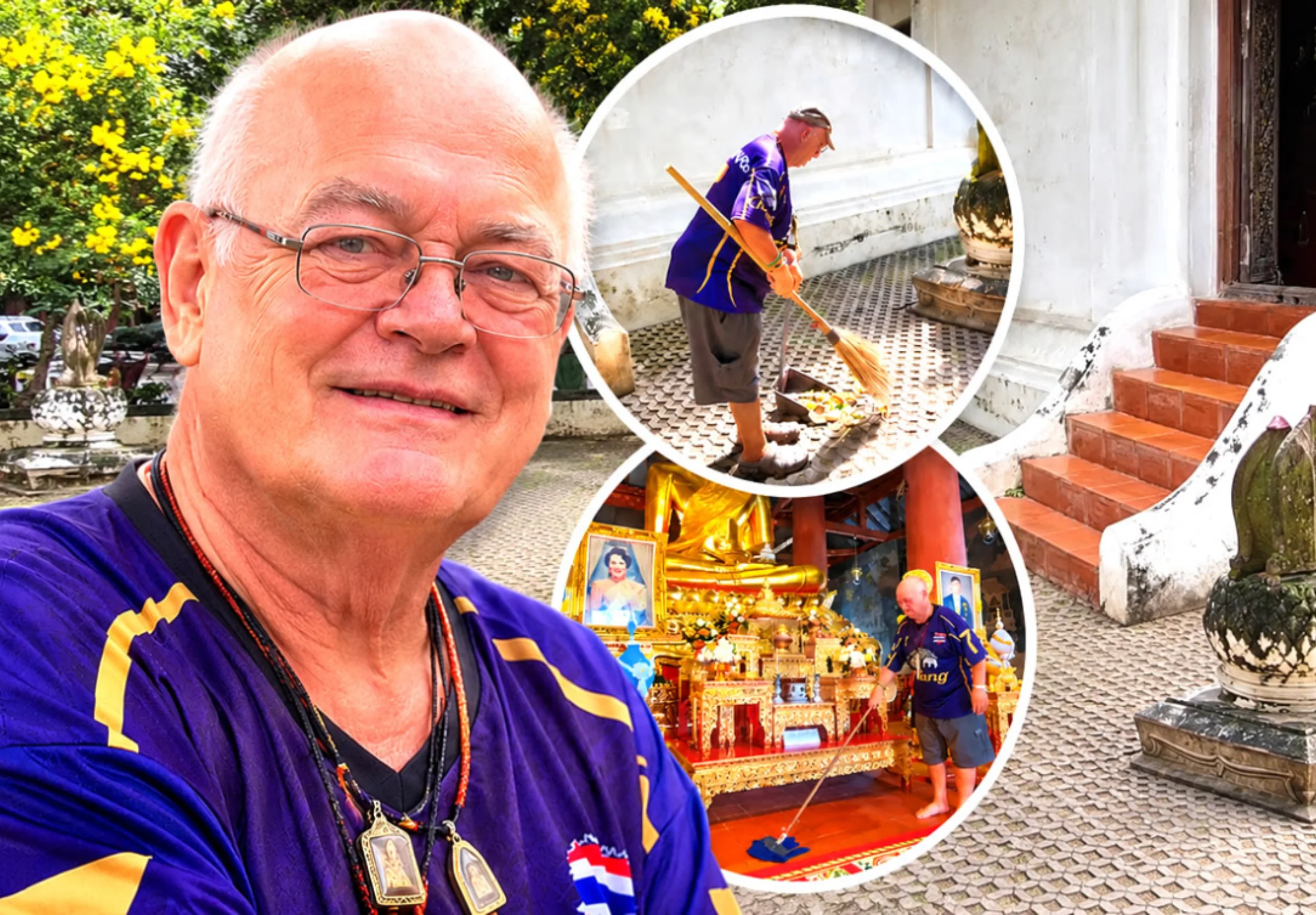
German pensioner Clemens Kraut, 67, has spent more than six months cleaning a Buddhist temple in Phitsanulok without payment and has asked for his ashes to be kept there after his death.
Kraut, a former IT systems manager, says Wat Ratchaburana has become his spiritual home after years spent travelling around Thailand by motorcycle. The temple has not confirmed whether it will be able to meet his request.
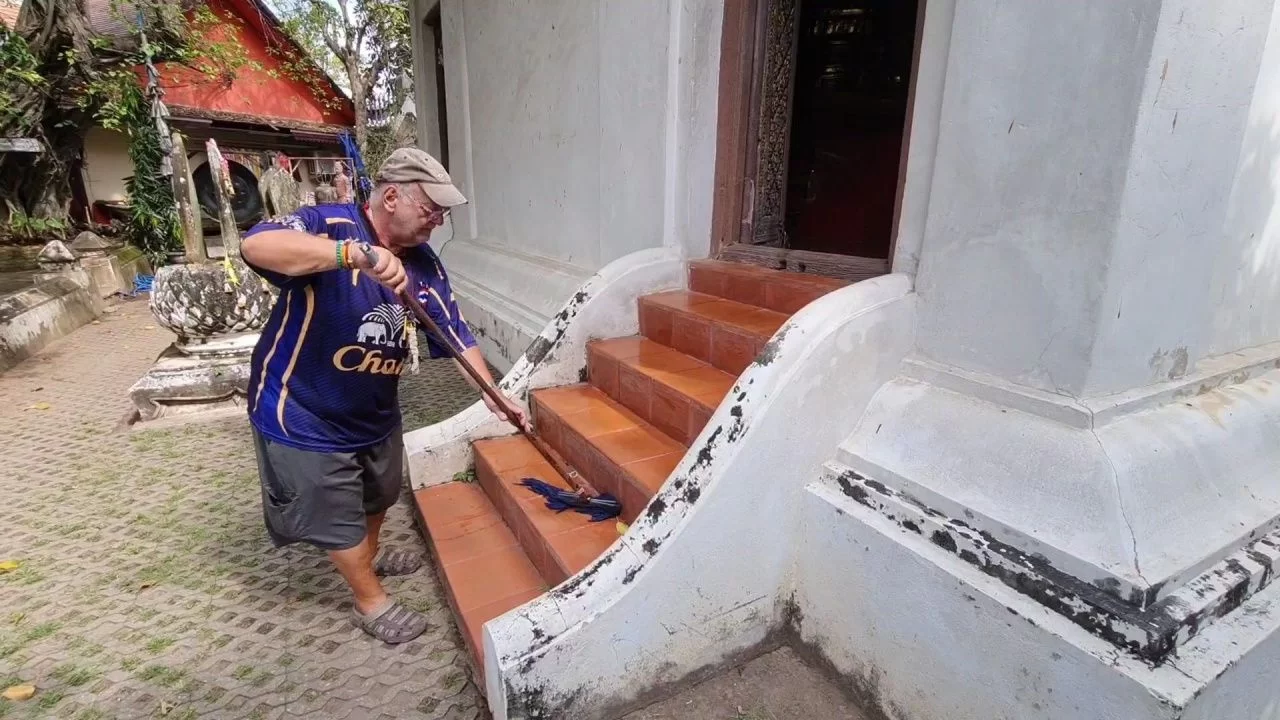
A daily routine of temple work
Thai reporters found Kraut at the royal Buddhist temple in Mueang district, carrying out his familiar morning routine. He rides to Wat Ratchaburana by motorcycle, pays respect to the acting abbot, receives a blessing and then begins work with basic cleaning equipment.
His duties include sweeping temple courtyards, mopping floors, cleaning religious buildings and tending plants around the grounds. He receives no salary or other reported financial compensation.
Kraut cleans two important sites within the complex. At the chapel containing Luang Pho Thong Khao, known as the White Buddha, he sweeps and mops the surrounding area. He also cleans the upper floor of the shrine housing Luang Pho Thong Dam, or the Black Buddha.
Once those jobs are complete, he waters the plants around the temple grounds. The work benefits areas used daily by monks, worshippers and visitors.
Before retiring, Kraut worked as an IT systems manager for a well-known international company. In retirement, he exchanged office life for extensive motorcycle journeys through Thailand, visiting Buddhist temples and natural attractions in almost every province.
Those journeys sparked a strong interest in Thai Buddhist traditions, sacred objects and ceremonies. While he has visited many temples, he repeatedly returns to Wat Ratchaburana whenever he is in Phitsanulok.
Kraut told reporters he feels comfortable and happy while cleaning the temple. He sees the work as a way to make merit through practical service, rather than simply attending religious ceremonies.
Interest in Buddhist customs
The German retiree has collected numerous Buddhist amulets linked to respected monks during his travels and often wears several around his neck. He has also expressed admiration for sak yant, Thailand's traditional sacred tattoos, and takes part in Buddhist ceremonies when visiting temples.
On an earlier visit to Wat Ratchaburana, Kraut received a Na Ma Mon hand-blessing ceremony from the acting abbot. The ritual is associated with prayers for protection and good fortune.
The acting abbot is Phra Khru Sitthitham Wiphach, widely known as Luang Pho Samli. Although the pair face language difficulties, the monk said they understand each other sufficiently to discuss Kraut's regular work at the temple and his longer-term wishes.
Luang Pho Samli confirmed that Kraut has been helping at the temple for many months, visiting regularly to make merit and clean the grounds. He praised the German's willingness to carry out ordinary cleaning tasks without seeking payment.
The monk compared Kraut's charitable efforts with those of Thai worshippers who support temples, saying his commitment was comparable to that of Thai people themselves.
Request over ashes remains unresolved
Kraut has told Luang Pho Samli that he would like to become a disciple of Wat Ratchaburana. More significantly, he has said he wants his cremated ashes to remain at the temple after his death.
He made the request because of his attachment to the temple, where he worships, receives blessings and performs maintenance work. Kraut said these activities give him peace of mind.
However, the request remains a wish rather than a confirmed arrangement. No formal agreement, administrative process or temple approval concerning the eventual placement of his ashes has been disclosed.
On Tuesday, November 3, Kraut again completed his cleaning duties before approaching Luang Pho Samli for a blessing. The monk sprinkled him with holy water in accordance with Buddhist custom and gave him a Phra Nang Phaya amulet.
Phra Nang Phaya is closely associated with Phitsanulok and is regarded as one of Thailand's five most prestigious types of Buddhist amulets. It is widely known as the queen of Thai Buddhist amulets.
Luang Pho Samli presented it as a keepsake and symbol of good fortune, and as recognition of Kraut's sustained voluntary work. The retiree was visibly pleased to add it to the amulets he has gathered on his journeys across the country.
For now, Kraut continues his routine: travelling to the temple, paying respects to the acting abbot, sweeping the courtyards, mopping the White Buddha chapel and Black Buddha shrine, and watering the plants. His hope that Wat Ratchaburana may eventually become his final resting place has yet to be formally settled.

 aseannow.com
Mvh isan lover
German retiree seeks final resting place at Phitsanulok temple
19 hours ago
German pensioner Clemens Kraut, 67, has spent more than six months cleaning a Buddhist temple in Phitsanulok without payment and has asked for his ashes to be kept there after his death.
Kraut, a former IT systems manager, says Wat Ratchaburana has become his spiritual home after years spent travelling around Thailand by motorcycle. The temple has not confirmed whether it will be able to meet his request.
A daily routine of temple work
Thai reporters found Kraut at the royal Buddhist temple in Mueang district, carrying out his familiar morning routine. He rides to Wat Ratchaburana by motorcycle, pays respect to the acting abbot, receives a blessing and then begins work with basic cleaning equipment.
His duties include sweeping temple courtyards, mopping floors, cleaning religious buildings and tending plants around the grounds. He receives no salary or other reported financial compensation.
Kraut cleans two important sites within the complex. At the chapel containing Luang Pho Thong Khao, known as the White Buddha, he sweeps and mops the surrounding area. He also cleans the upper floor of the shrine housing Luang Pho Thong Dam, or the Black Buddha.
Once those jobs are complete, he waters the plants around the temple grounds. The work benefits areas used daily by monks, worshippers and visitors.
Before retiring, Kraut worked as an IT systems manager for a well-known international company. In retirement, he exchanged office life for extensive motorcycle journeys through Thailand, visiting Buddhist temples and natural attractions in almost every province.
Those journeys sparked a strong interest in Thai Buddhist traditions, sacred objects and ceremonies. While he has visited many temples, he repeatedly returns to Wat Ratchaburana whenever he is in Phitsanulok.
Kraut told reporters he feels comfortable and happy while cleaning the temple. He sees the work as a way to make merit through practical service, rather than simply attending religious ceremonies.
Interest in Buddhist customs
The German retiree has collected numerous Buddhist amulets linked to respected monks during his travels and often wears several around his neck. He has also expressed admiration for sak yant, Thailand's traditional sacred tattoos, and takes part in Buddhist ceremonies when visiting temples.
On an earlier visit to Wat Ratchaburana, Kraut received a Na Ma Mon hand-blessing ceremony from the acting abbot. The ritual is associated with prayers for protection and good fortune.
The acting abbot is Phra Khru Sitthitham Wiphach, widely known as Luang Pho Samli. Although the pair face language difficulties, the monk said they understand each other sufficiently to discuss Kraut's regular work at the temple and his longer-term wishes.
Luang Pho Samli confirmed that Kraut has been helping at the temple for many months, visiting regularly to make merit and clean the grounds. He praised the German's willingness to carry out ordinary cleaning tasks without seeking payment.
The monk compared Kraut's charitable efforts with those of Thai worshippers who support temples, saying his commitment was comparable to that of Thai people themselves.
Request over ashes remains unresolved
Kraut has told Luang Pho Samli that he would like to become a disciple of Wat Ratchaburana. More significantly, he has said he wants his cremated ashes to remain at the temple after his death.
He made the request because of his attachment to the temple, where he worships, receives blessings and performs maintenance work. Kraut said these activities give him peace of mind.
However, the request remains a wish rather than a confirmed arrangement. No formal agreement, administrative process or temple approval concerning the eventual placement of his ashes has been disclosed.
On Tuesday, November 3, Kraut again completed his cleaning duties before approaching Luang Pho Samli for a blessing. The monk sprinkled him with holy water in accordance with Buddhist custom and gave him a Phra Nang Phaya amulet.
Phra Nang Phaya is closely associated with Phitsanulok and is regarded as one of Thailand's five most prestigious types of Buddhist amulets. It is widely known as the queen of Thai Buddhist amulets.
Luang Pho Samli presented it as a keepsake and symbol of good fortune, and as recognition of Kraut's sustained voluntary work. The retiree was visibly pleased to add it to the amulets he has gathered on his journeys across the country.
For now, Kraut continues his routine: travelling to the temple, paying respects to the acting abbot, sweeping the courtyards, mopping the White Buddha chapel and Black Buddha shrine, and watering the plants. His hope that Wat Ratchaburana may eventually become his final resting place has yet to be formally settled.
German retiree seeks final resting place at Phitsanulok temple
German retiree Clemens Kraut volunteers daily at Wat Ratchaburana in Phitsanulok and hopes his ashes can one day remain there.
aseannow.com
Mvh isan lover

Thai Newbie
Forumveteran
Människan svarar allena för sina handlingar.Om det mot allt förnuft skulle finnas en gud så har han mycket att förklara och be om ursäkt för.

Räven
Forumveteran
Och blir straffade av Allah.Människan svarar allena för sina handlingar.

Captain Thailand
Forumräv
Om det mot allt förnuft skulle finnas en gud så har han mycket att förklara och be om ursäkt för.
Måste vara en sadist

Captain Thailand
Forumräv
Människan svarar allena för sina handlingar.
Ja, vi är ju ändå förhållandevis intelligenta apor.

En av de roligaste (inte för dig @Einar ) kommentarerna idagJa, vi är ju ändå förhållandevis intelligenta apor.