Hej
Diesel Crisis Hits Northern Thailand Hard, Endless Queues and Empty Pumps
Last updated: March 23, 2026 6:24 am
Jeff Tomas- Freelance Journalist
CHIANG RAI – People in Chiang Rai woke up on Monday to more uncertainty as the diesel shortage tightened its grip on northern Thailand. In a Sunday update, the Energy Department said deliveries remain too low to keep up with a sharp jump in demand.
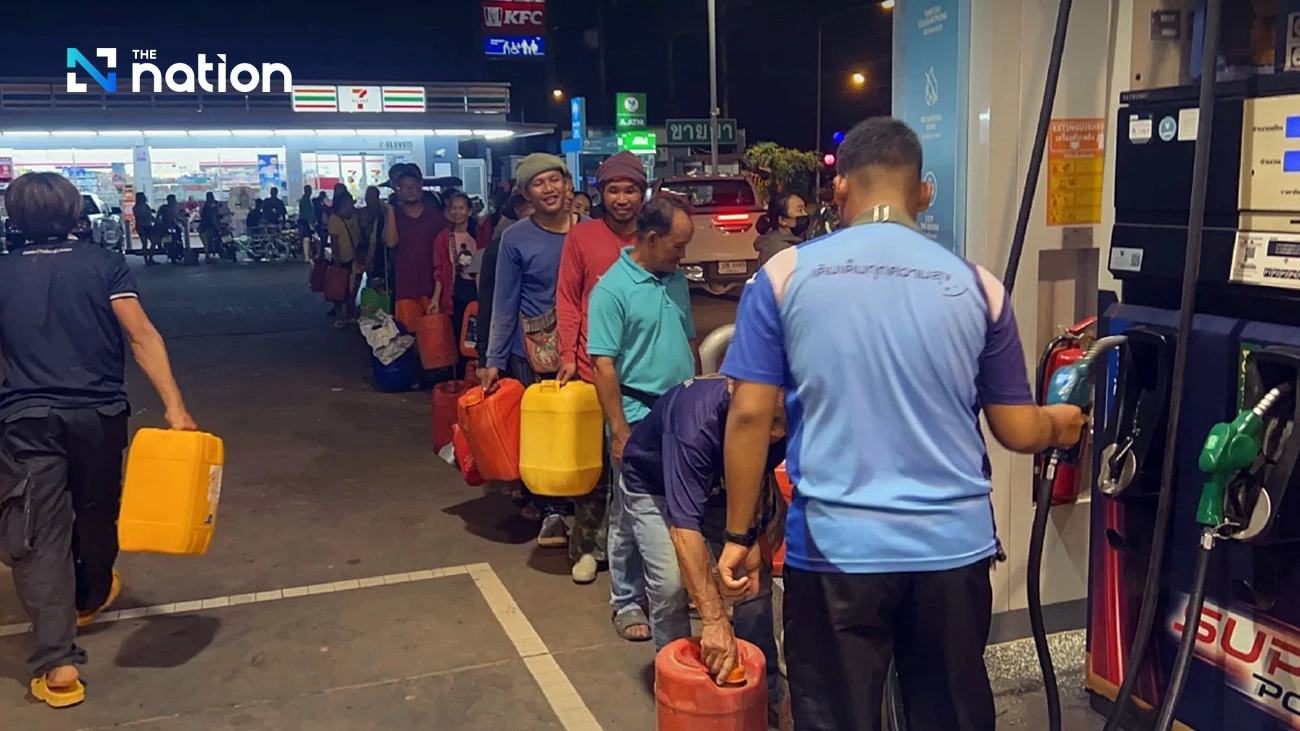
In Chiang Rai, cars and trucks lined up before sunrise at major stations, but many still left empty-handed after waiting for hours.
This is no longer just a Chiang Rai problem. Nearby provinces, including Phrae, Chiang Mai, Lampang, and parts of the Northeast, are facing the same mess. Pickup trucks, tour buses, farm vehicles, and long-distance lorries are all chasing the same limited diesel supply. As a result, even routine trips now feel risky.
Fuel Shortages Spread Across the North and Northeast
The pressure grew quickly over the past week after the government removed the 30-baht diesel price cap on March 18. Fears of higher costs led to panic buying, which pushed daily fuel use nationwide from the usual 60 to 67 million liters up to 84 million liters.
Northern provinces have been hit harder because deliveries cannot keep pace with demand. At the same time, tanker trucks face transport delays, and many stations receive only part of their usual stock.
- Phrae: In Long district, many stations ran completely out of diesel. Truck drivers waited in line for hours, only to hear there was no more fuel for the day. Staff said new shipments were coming, but they could not say when.
- Chiang Mai: At a PTT station near Don Chan junction, a 10,000-liter delivery sold out in less than an hour. Another station on Chotana Road in Mae Rim used 8,000 liters in just four hours. Lines stretched for hundreds of meters, and some drivers waited about an hour and still got nothing.
- Chiang Rai: Dozens of vehicles queued outside a Caltex station. One outlet received only 8,000 liters, about one-third of its usual daily supply, and ran dry by noon. Staff had to turn away later arrivals. A worker, Kanokwan Kantip, told reporters, “It’s not enough for customers. We fill what we can, then the pumps go dry.”
- Lampang: Similar scenes played out here, with stations limiting sales early and drivers lining up before dawn. Farmers and small business owners say they are among the hardest hit.
The Energy Department’s Sunday report showed a clear pattern. Northern and northeastern provinces are taking the worst of it, while Bangkok and central Thailand have seen only shorter queues.
Chiang Rai Feels the Pressure Most
In Chiang Rai, many drivers say this is the worst fuel disruption they have seen since the COVID period. One pickup driver carrying vegetables from nearby farms said he had been waiting since 4 a.m. He said, “I need diesel for my round trip to the market. If I don’t get it today, my produce spoils and my family loses money.”
The shortage is also hitting tourism. Buses heading to the Golden Triangle and Doi Mae Salong have had to cut trips short or cancel routes. Meanwhile, small roadside shops that depend on motorbike deliveries are shutting early. Even emergency crews are keeping extra Jerry cans on hand in case supply gets worse.
Across local social media groups, residents are posting live updates throughout the day. Posts read, “PTT on Superhighway, diesel gone,” or “Shell in Mae Sai, only 500 baht per car.” Drivers are also sharing photos of pumps covered with “Out of Diesel” signs. That constant uncertainty is wearing people down.
Diesel Prices Rise as Supplies Tighten
Diesel is no longer fixed at 30 baht per liter. The first increase, 50 satang, took effect on March 18, and prices are still moving. As of March 22, 2026, standard diesel at PTT and
Bangchak stations across Thailand costs
31.14 baht per liter. Premium diesel ranges from
44.64 to 46.84 baht per liter, depending on the brand.
More increases are expected, with prices likely moving toward a 33-baht ceiling in the coming days. The government says the adjustment reflects global oil prices, which have been affected by tensions in the Middle East. Even so, Thailand still has 96 to 101 days of fuel reserves, which officials say is enough to avoid a true supply crisis. Still, short-term shortages at local pumps have caused serious disruption.
Because regular diesel often sells out first, many drivers are now paying more for premium diesel just to stay on the road.
Fuel Stations Set Purchase Limits
To make supplies last longer, many stations have started limiting how much each driver can buy. These caps are not part of a national rule. Instead, individual station operators are setting their own limits to avoid running out too quickly.
Common limits reported across the North include:
- Small cars and motorcycles, 300 to 500 baht
- Pickup trucks and vans, 500 to 1,000 baht
- Large trucks and buses, up to 1,500 baht
- Some stations limit sales to 100 liters per vehicle
- Jerry can sales are allowed in some cases, but tightly controlled
In Chiang Rai, several stations have posted signs saying, “500 baht maximum per customer, thank you for understanding.” One station in central Chiang Rai shut down at 2 p.m. after reaching its daily fuel limit. These controls may slow hoarding, but they also frustrate drivers who need a full tank for longer trips.
At the same time, the Ministry of Energy and police are stepping up checks on illegal stockpiling. Officers are inspecting depots suspected of holding back fuel or charging too much. To help speed up deliveries, authorities have also approved 24-hour fuel transport nationwide until April.
Government Responds With Daily Updates and Inspections
Prime Minister Anutin Charnvirakul has called for calm. He said, “Thailand is not facing a fuel crisis. We have sufficient reserves and continue importing crude oil normally. The queues are caused by temporary panic and logistics, not shortage of supply.”
The Energy Ministry is now posting daily fuel availability reports on provincial Facebook pages. People can search for “สำนักงานพลังงานจังหวัดเชียงราย” (Chiang Rai Provincial Energy Office) for live updates on which stations still have diesel and when new deliveries are expected. Similar pages are active in Phrae, Chiang Mai, and Lampang.
Sarawut Kaewtathip, head of the Energy Business Department, said Thailand has at least 101 days of reserves and apologized for the disruption. He also said officials are working with refineries, police, and transport agencies to keep tanker deliveries moving day and night.
Daily Life and Local Economies Take a Hit
The effects of the diesel shortage are spreading across daily life in northern Thailand.
- Farmers: Tractors and irrigation pumps are sitting idle without fuel. In Phrae and Lampang, some farmers are relying on stored diesel to protect crops.
- Transport and markets: Some long-haul drivers are refusing jobs from Bangkok to Chiang Mai or Chiang Rai because they fear running out of fuel on the road. As a result, fresh produce prices are starting to rise.
- Tourism: Songkran travel plans are being dropped or delayed. Hotels in Chiang Rai say they are seeing fewer bookings from domestic travelers.
- Small businesses: Delivery riders and taxi drivers are losing income because they cannot refuel. One Chiang Rai market seller said, “We can’t order stock because trucks won’t come.”
A pickup driver in Chiang Mai who transports fresh produce summed up the mood. He said, “I survived COVID and high fuel prices before, but now it’s really difficult. Customers are fewer because the economy is slow.”
Tips for Drivers During the Shortage
While officials work to improve supply, drivers in Chiang Rai and other affected areas can take a few simple steps to cope:
- Check provincial Energy Office Facebook pages each morning for station updates
- Refuel early, because many stations run dry by midday
- Cut back on non-essential trips and carpool when possible
- Keep a small emergency jerry can, stored safely
- Use premium diesel if regular diesel is unavailable
- Plan routes around stations known to still have stock
Officials keep repeating the same message, don’t panic buy. Hoarding only makes the problem worse for everyone else.
Relief May Be Coming Soon
Energy officials expect conditions to improve within a few days as round-the-clock deliveries increase and panic buying starts to ease. Global oil market pressure tied to Middle East tensions remains a longer-term issue, but Thailand’s reserve levels and multiple import sources are still strong.
For now, though, drivers in Chiang Rai are still lining up and hoping for the best. Many say they mainly want clear updates and a steady fuel supply so life can get back to normal.
The diesel shortage has pushed patience to the limit across northern Thailand. Still, better communication and more regular deliveries could bring some relief soon. Until then, drivers in Chiang Rai, Chiang Mai, Phrae, and Lampang are watching both their fuel gauges and their Facebook feeds very closely.
CHIANG RAI - People in Chiang Rai woke up on Monday to more uncertainty as the diesel shortage tightened its grip on northern Thailand. In a Sunday update,…

www.chiangraitimes.com
Mvh isan lover