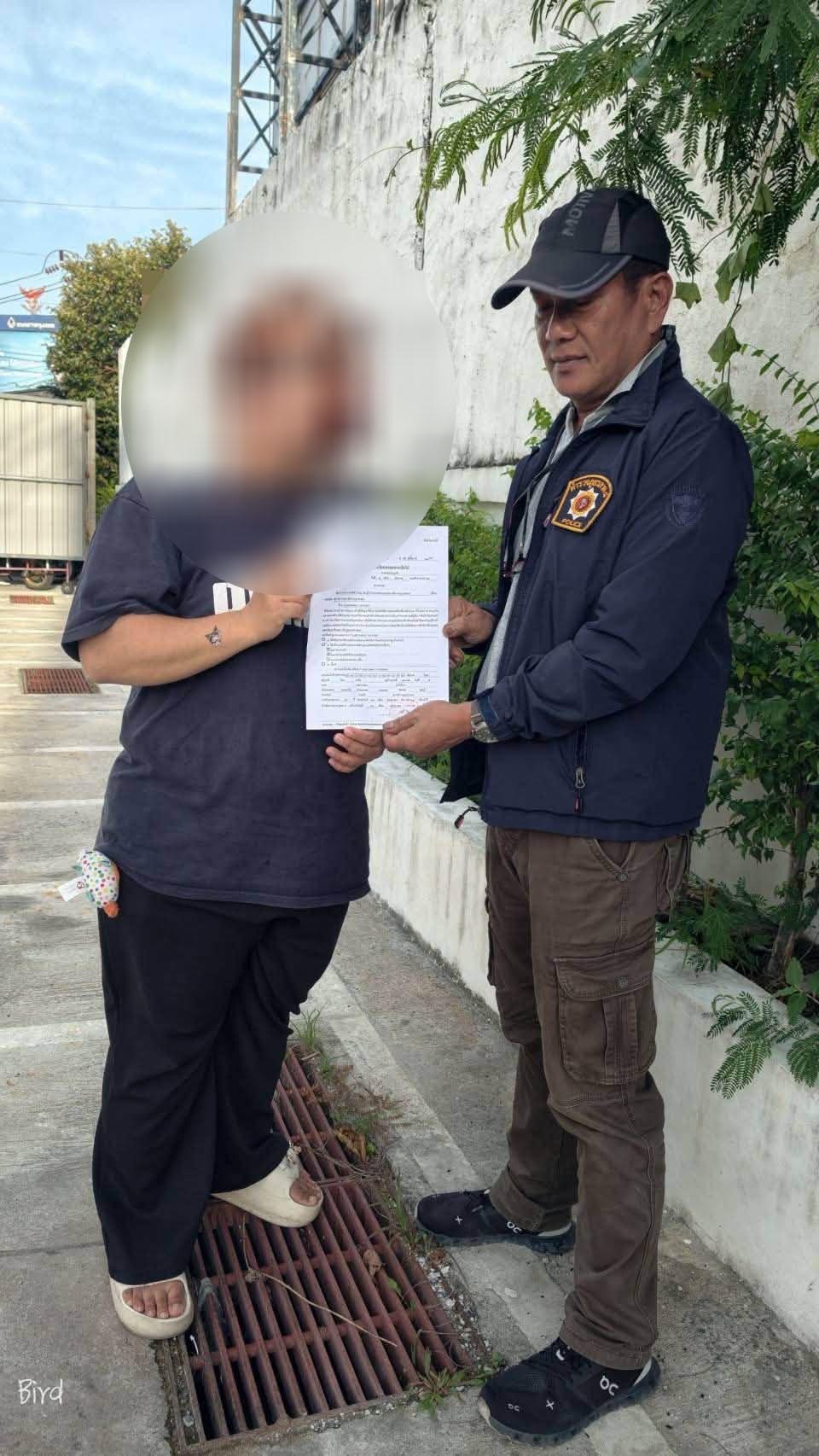
Myndigheter jagar olagliga verksamheter som drivs av utlänningar

 
Hej

Det var längesedan frun köpte mark med Chanot (ca 15 årsedan minst) eftersom det inte finns sån mark i vår del av Isaan, det är Sor Por Kor som köps och säljs där och då skriver bara köpare, säljare, bychefer och betrodda vittnen på köpehandlingarna.

Mvh isan lover
Så säger AI.

Har överlåtelsen godkänts av rätt myndighet och registrerats enligt Sor Por Kor-reglerna?
Om svaret är nej, eller om affären bara bygger på ett privat avtal bevittnat av byhövdingen, finns det en risk att köparen inte har en rättsligt giltig överlåten rätt.


En överlåtelse av Sor Por Kor-rättigheter måste följa de särskilda regler som gäller för den marktypen. En privat överenskommelse med endast byhövding och vittnen räcker inte i sig om lagen kräver att den ansvariga myndigheten godkänner eller registrerar överlåtelsen.
Om den person som köpte marken aldrig fick sin rätt registrerad enligt gällande regler kan överlåtelsen senare underkännas.
Thailand har under de senaste åren skärpt kontrollen av markinnehav och användning, inklusive granskning av Sor Por Kor-mark och fall där reglerna kring innehav eller överlåtelser inte har följts. Det innebär att myndigheter i dag kan granska äldre affärer mer noggrant än tidigare.
 
Så säger AI.

Har överlåtelsen godkänts av rätt myndighet och registrerats enligt Sor Por Kor-reglerna?
Om svaret är nej, eller om affären bara bygger på ett privat avtal bevittnat av byhövdingen, finns det en risk att köparen inte har en rättsligt giltig överlåten rätt.


En överlåtelse av Sor Por Kor-rättigheter måste följa de särskilda regler som gäller för den marktypen. En privat överenskommelse med endast byhövding och vittnen räcker inte i sig om lagen kräver att den ansvariga myndigheten godkänner eller registrerar överlåtelsen.
Om den person som köpte marken aldrig fick sin rätt registrerad enligt gällande regler kan överlåtelsen senare underkännas.
Thailand har under de senaste åren skärpt kontrollen av markinnehav och användning, inklusive granskning av Sor Por Kor-mark och fall där reglerna kring innehav eller överlåtelser inte har följts. Det innebär att myndigheter i dag kan granska äldre affärer mer noggrant än tidigare.
Jag litar inte helt på AI, men du verkar göra det @Isan Lover så skall inte vara så självsäker med "vi som vet hur det går till".
 
Så säger AI.

Har överlåtelsen godkänts av rätt myndighet och registrerats enligt Sor Por Kor-reglerna?
Om svaret är nej, eller om affären bara bygger på ett privat avtal bevittnat av byhövdingen, finns det en risk att köparen inte har en rättsligt giltig överlåten rätt.


En överlåtelse av Sor Por Kor-rättigheter måste följa de särskilda regler som gäller för den marktypen. En privat överenskommelse med endast byhövding och vittnen räcker inte i sig om lagen kräver att den ansvariga myndigheten godkänner eller registrerar överlåtelsen.
Om den person som köpte marken aldrig fick sin rätt registrerad enligt gällande regler kan överlåtelsen senare underkännas.
Thailand har under de senaste åren skärpt kontrollen av markinnehav och användning, inklusive granskning av Sor Por Kor-mark och fall där reglerna kring innehav eller överlåtelser inte har följts. Det innebär att myndigheter i dag kan granska äldre affärer mer noggrant än tidigare.
Hej

Man får egentligen aldrig fått sälja Sor por kor mark lagligt överhuvudtaget och det är inte Department of Lands (DOL) som har ansvar för den här typen av mark utan Agricultural Land Reform Office (ALRO) eftersom det en gång i tiden var statlig jordbruksmark det handlade om, denna mark delades en gång i tiden ut till småbönder i bitar på max 50 rai, Thailand (Siam) kom väl över den här marken i krig mot grannlandet Laos och ville befolka den och få kontroll över den.

Dom som en gång fick dessa markbitar är nu ofta borta för längesedan och marken kan ha styckats upp, lagts ihop och bytt ägare massor av gånger genom åren, det finns t.o.m hela byar och städer som ligger på Sor Por Kor mark och även har fått Amphoe status, vilket i princip skulle vara omöjligt enligt gällande lagar.

Det enda sättet att lagligt bli registrerad ägare av Sor Por Kor mark var från början att ärva mark av sina föräldrar, så fick frugan en del av sin familjs mark och den står hon nu officiellt registrerad på, men året innan pandemin började myndigheterna försöka kartlägga alla nuvarande brukare och ägare av Sor Por Kor mark eftersom dom visste att deras register inte stämmer överens med verkligheten.

Då kunde man gå till Opotor kontoret med dom Sor Por Kor dokument man fick när man ”köpte” marken, kvitto på köpet m.m, Sor Por Kor dokumentet hade då den förste ägarens namn, sen kunde man få hjälp med att själv bli registrerad som ny brukare (ägare) om man uppfyllde kraven kunde man senare hämta ut nya dokument där man hade sitt eget namn, gissa om det var kö med människor som anmälde sig till detta.

Som så många gånger förr i Thailand löste sig allt för dom flesta även om dom inte hade följt lagen till punkt och pricka, men märkligt nog fanns det hela tiden dokument att använda och en rutin för hur ett köp skulle gå till trots att det egentligen aldrig var riktigt lagligt och AI inte ens var uppfunnet.

Mvh isan lover
 
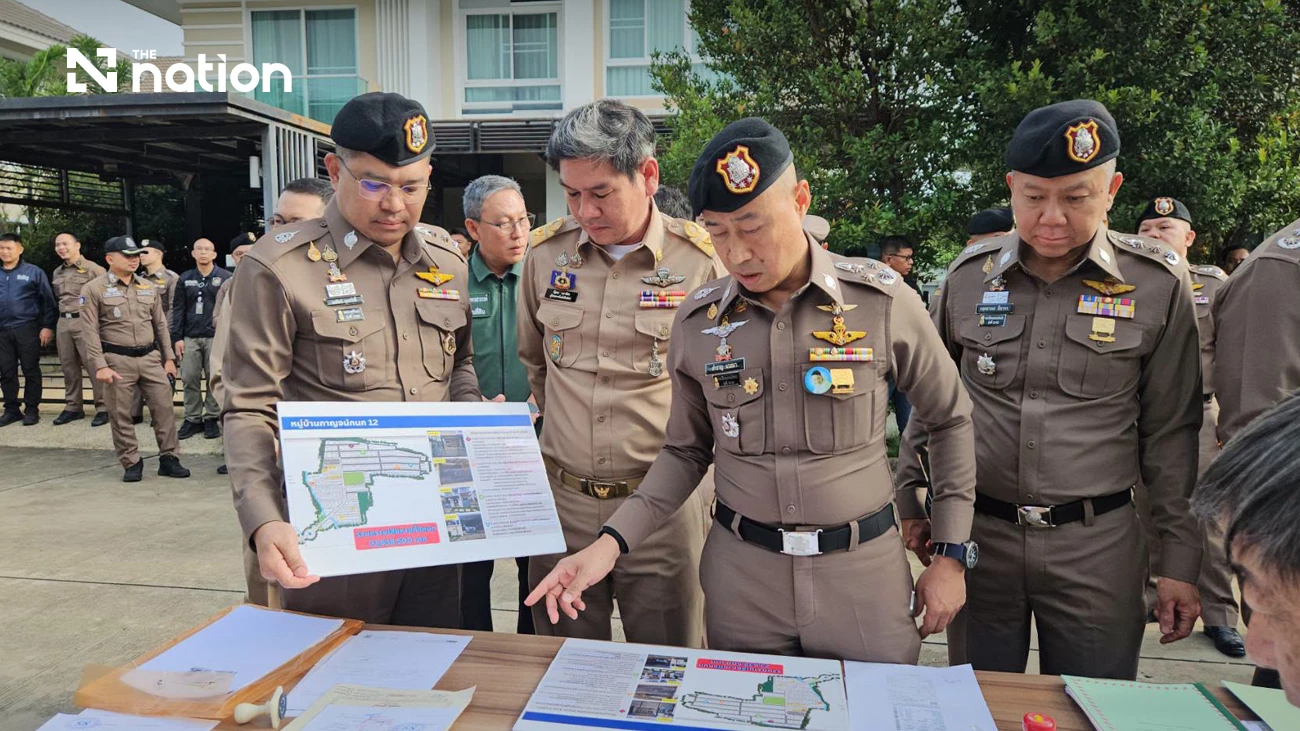
Chonburi har blivit centrum för en omfattande razzia efter att thailändska myndigheter inledde fas 4 av operation "Foreign Nominee Network", där de gjorde razzior på 41 platser och upplöste ett påstått rysklett nätverk som anklagas för att ha förvandlat lyxbostadsområden i Pattaya till en "privat enklav". Utredarna hävdar att planen involverade 775 lyxhus i sex områden, med ett uppskattat värde på över 5 miljarder THB.

Myndigheterna säger att utredningen avslöjade ett omfattande nätverk av nominerade företag, med 495 företag som påstås ha etablerats för att inneha äganderätten till fastigheterna för utländska intressens räkning. Utredarna identifierade också två thailändska revisorer som misstänks för att agera som nominerade aktieägare i totalt 186 företag, vilket påstås ha gjort det möjligt för utlänningar att kringgå thailändska lagar som reglerar markägande och verksamheter reserverade för thailändska medborgare.

Operationen resulterade i gripandet av fyra ryska misstänkta enligt arresteringsorder utfärdad av Pattayas provinsdomstol, medan poliser beslagtog finansiella register och elektroniska bevis för vidare utredning. Thailändsk polis sa att de misstänkta kommer att ställas inför åtal enligt lagen om utländska företag och jordlagen, och tillade att den landsomfattande razzian mot illegala utländska nominerade nätverk kommer att fortsätta.
 
Hur mycket kostade det i någons privata ficka?

Enis
Jag har antagligen fel, men jag har på känn att detta har blivit så stort att ingen vågar tjäna en baht mer på detta med nominess och utländska enklaver byggda av pengar från ryssar som inte ville vara med i Ukraina…

Indier är körda, tror jag, och kineser också. Ja, de har ju släktingar sedan århundrade i Thailand, men dessa släktingar är sedan länge HiSo och vill nog så förbli… inte hamna i en cell på grund av för dem småpengarna.
 
Utredarna identifierade också två thailändska revisorer som misstänks för att agera som nominerade aktieägare i totalt 186 företag, vilket påstås ha gjort det möjligt för utlänningar att kringgå thailändska lagar som reglerar markägande och verksamheter reserverade för thailändska medborgare.

Man kan ju undra vad som händer med dom. Det blir mycket intressant att se hur/vad de eventuella straffen blir. Dvs både för thai och utlänningar.
 
Hej

31 foreign-owned by proxy companies raided in Chiang Mai​

Companies sit on 20 rai of land worth B633 million

PUBLISHED : 20 JUL 2026 AT 11:58

1784572900925.webp

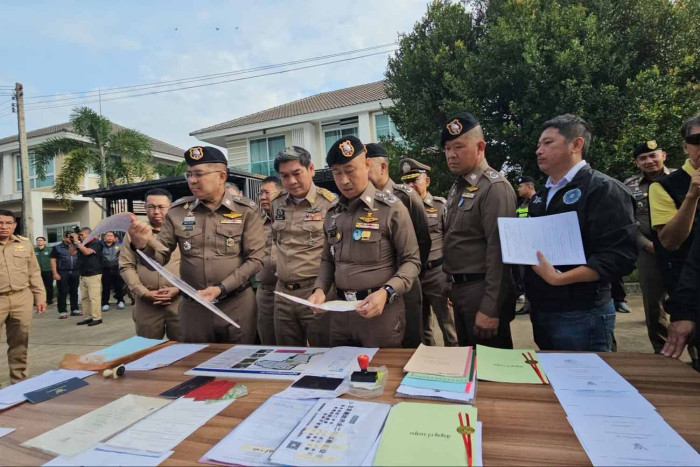
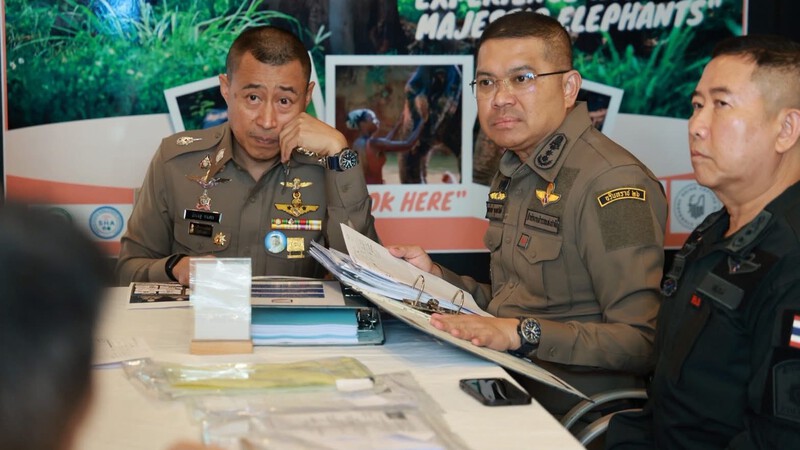
Deputy national police chief Pol Gen Samran Nuanma, centre, checks evidence seized from the suspect companies at a housing estate in Saraphi district, Chiang Mai, during the raids on Monday. (photo: Panumet Tanraksa)

CHIANG MAI: Police and local officials raided 31 companies suspected of being nominee firms under actual foreign ownership and arrested five suspects on Monday.

About 250 police and local officials were involved in the operation.

Deputy national police chief Pol Gen Samran Nuanma said they searched 31 company premises and files at 18 locations in Chiang Mai.

Of the 31 companies, 16 allegedly have Thai proxy shareholders and the other 15 breach foreign shareholding limits. The 31 companies occupy about 20 rai of land worth about 633 million baht.

Pol Gen Samran said there were 74 suspects in the case and police had court arrest warrants for 22 - two Thais, seven Myanma, three Indians, one Briton and nine Chinese. On Monday police arrested five of the suspects, two Indians and three Myanmar.

Some Thai suspects had been detained prior to the raids. One is a man who has been in Chiang Mai Central Prison since 2021. His name was mentioned as a shareholder in two companies.


He told police that a former inmate invited him into an investment project and asked for his ID card and house registration document, supposedly for company registration. He said he never received any return from the claimed investment projects.

“Police have taken legal action against the shareholders and directors of such companies and are expanding the investigation to catch all the offenders, including the real beneficiaries,” Pol Gen Samran said.

Similar operations were planned in Phuket, Krabi, Phangnga, Chon Buri and Surat Thani provinces, he said.


Mvh isan lover
 
Hej

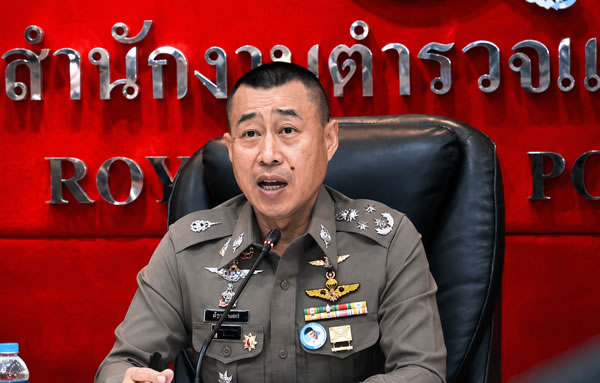
Big Ran, the top police officer in nominee shareholder operations tipped as 16th National Police Chief

  • July 20, 2026 at 11:39 pm
1784578949257.webp


The race for Thailand’s top police job appears all but over, with Big Ran heavily favoured ahead of Tuesday’s vote. At just 51, he is expected to become the Royal Thai Police’s youngest Commissioner-General in many years after a career tackling the country’s toughest cases.


Mvh isan lover
 
Hej

Sor Por Kor myndighetens service och tjänster kostar ingenting alls.

Mvh isan lover
Thailand has taken swift, aggressive action against the misuse of Sor Por Kor (SPK) agricultural land (often referred to as Sor Por Kor 4-01). The government launched massive crackdowns, revoking hundreds of thousands of rai of illegally obtained state land.

Official Corruption Arrests: Thai authorities have arrested and prosecuted government officials (including ALRO staff and surveyors) for forging documents and illegally issuing SPK land to ineligible nominees.

SPK land is exclusively meant for poor, landless farmers and cannot be sold, transferred to non-farmers, or held by foreigners. Any misuse or fraudulent "land grabs" are being systematically investigated and prosecuted by the state.
 
Thailand has taken swift, aggressive action against the misuse of Sor Por Kor (SPK) agricultural land (often referred to as Sor Por Kor 4-01). The government launched massive crackdowns, revoking hundreds of thousands of rai of illegally obtained state land.

Official Corruption Arrests: Thai authorities have arrested and prosecuted government officials (including ALRO staff and surveyors) for forging documents and illegally issuing SPK land to ineligible nominees.

SPK land is exclusively meant for poor, landless farmers and cannot be sold, transferred to non-farmers, or held by foreigners. Any misuse or fraudulent "land grabs" are being systematically investigated and prosecuted by the state.
Hej

Det stämmer att både parlamentsledamöter, generaler och andra höjdare har tillskansat sig jordbruksmark avsedd för bönder och det handlar om stora arealer på attraktiva platser, en del av dom har efter kontroller och blivit tvingade att riva byggnader, resorts, golfbanor m.m och att återlämna mark statlig mark som sen återigen delas ut till marklösa bönder, ett mycket bra och ett populärt initiativ bland småbönderna.

Mvh isan lover
 
Hej

Jailed Thai’s name found on homes and firms in Bt633m Chiang Mai nominee probe​

MONDAY, JULY 20, 2026

IMG_0367.webp

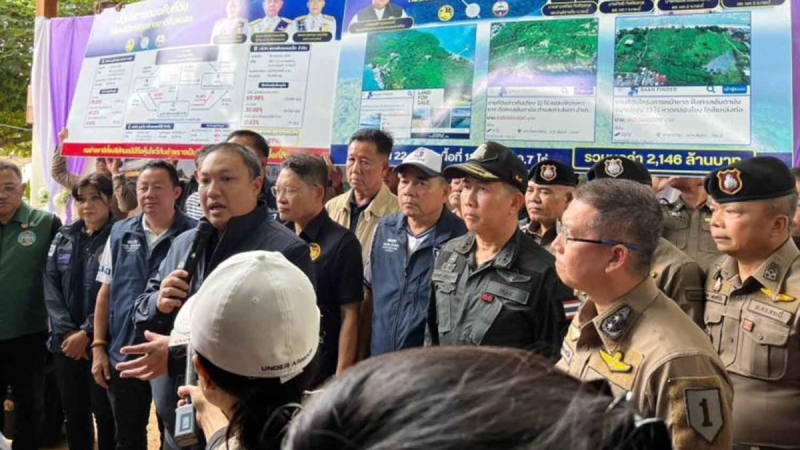
Police are investigating suspected foreign nominee networks linked to 31 Chiang Mai companies and 29 land plots worth about Bt633 million.

A Thai prisoner’s name has surfaced in property and company records linked to a housing estate in Chiang Mai’s Saraphi district, becoming a key focus of a 633-million-baht investigation into suspected foreign nominee networks.

Police said the man’s name appeared in records connected with homes and several companies at the estate, despite his having been held at Chiang Mai Central Prison since November 25, 2021. He is not scheduled for release until February 23, 2037.

Investigators said his name remained on the shareholder registers of seven companies and appeared as an authorised director of another company registered after his imprisonment, raising questions over who was actually controlling the businesses.

Prisoner says identity documents may have been misused​

During questioning, the prisoner told investigators that an acquaintance he met in prison had persuaded him to invest in a business and asked for his original Thai identity card and household registration documents.

The man said he received no financial return and was unaware that he had been named as a shareholder or director of several companies. He believes his personal documents may have been used to register businesses without his knowledge.

The case emerged from an investigation into four companies linked to the housing estate, where police suspect Thai nationals were used as front shareholders on behalf of foreign beneficial owners.

Investigators also questioned a second Thai man whose name appeared in corporate records. He said he had not known he was listed as a shareholder and had never seen the companies’ financial statements or other evidence of his supposed investment.

The man admitted sending photographs of his identity card to a property broker and receiving 7,000 baht on each occasion in return for signing documents at the Land Office and taking part in property transactions.

A Thai woman named as a shareholder in another company also denied knowing the other shareholders and directors.

She told police that she had previously supplied copies of her identity card and household registration to a foreign former employer, who had hired her as a housekeeper. The employer claimed the documents were required to arrange her salary and social security registration.

She later lost contact with the employer after the company ceased operating.

Thirty-one companies and 29 land plots targeted​

The Saraphi investigation forms part of Operation “Crackdown on Foreign Nominee Networks: Phase 5”, which involved more than 250 police officers and government officials executing 18 search warrants in Chiang Mai.

The operation was ordered by Pol Gen Samran Nualma, deputy commissioner-general of the Royal Thai Police.

Teams were led by Pol Lt Gen Nopsin Poonsawat, a commissioner attached to the Office of the Commissioner-General; Pol Lt Gen Krittapol Yisakhon, commissioner of Provincial Police Region 5; and Pol Maj Gen Phitak Uthaitham, a deputy commissioner attached to the Office of the Commissioner-General.

Personnel from the Provincial Police Region 5 Investigation Division and Chiang Mai Provincial Police were joined by the Chiang Mai governor and officials from the Department of Business Development and Department of Lands.

Authorities said they had reviewed 33,144 companies registered in Chiang Mai. Of those, 4,741 had foreign shareholders, while 1,591 initially showed signs of possible nominee arrangements.

Further screening narrowed the investigation to 31 companies.

Sixteen are suspected of using Thai nationals as nominee shareholders, while another 15 were flagged for allegedly exceeding statutory foreign ownership limits and holding land titles.

Together, the companies held 29 plots covering more than 20 rai, or approximately 3.2 hectares, with an estimated combined value of 633 million baht.

Warrants issued for Thai and foreign suspects​

Arrest warrants were issued for 22 suspects: two Thai nationals and 20 foreigners.

The foreign suspects comprise seven Myanmar nationals, three Indians, one Briton and nine Chinese nationals. Police said efforts to locate suspects and identify others involved in the alleged networks were continuing.

Charges have been brought against shareholders and company directors suspected of involvement. Investigators are also seeking to identify the people who established or supported the arrangements, as well as the businesses’ actual beneficial owners.

Police said the investigation would be expanded to determine whether the companies were established to conceal foreign control, circumvent business restrictions or acquire land through Thai nominee shareholders.

Crackdown expands across tourist provinces​

The operation is part of a broader campaign based on the “Koh Phangan Model”, an enforcement approach developed from investigations into suspected foreign nominee businesses on the Surat Thani tourist island.

Authorities are extending the campaign across major tourism and investment destinations, including Chiang Mai, Phuket, Krabi, Phang Nga, Chonburi and Surat Thani.

Officials said the crackdown was aimed at businesses using Thai nominees to evade foreign ownership restrictions, rather than foreign investors operating legally in Thailand.

Foreign nationals may apply for authorisation to conduct restricted activities under the Foreign Business Act of 1999, which sets out the conditions and procedures governing foreign participation in designated sectors.

Police said lawful foreign investment remained welcome, but warned that nominee arrangements undermined fair competition and could expose the people whose identities were used to criminal and financial liability.


Mvh isan lover
 
Hej

”Separately, deputy government spokeswoman Lalida Pervsivatan said Thailand will introduce a new intelligence-based screening system from Aug 1 to improve detection of nominee businesses. It will analyse company registration records, shareholder structures and financial statements to identify high-risk firms with Thai shareholders in suspicious cases.”


Mvh isan lover
 
Hej

BLIND SPOT: Officials fail to target ‘facilitators’ in nominee crackdown​

Sunday 26 July 2026

PHUKET: Phuket's expanding crackdown on foreign nominee businesses has produced arrests, raids and promises of tougher enforcement. But one key question remains unanswered: why have police and law enforcement agencies so far avoided any mention of action taken against those who helped create the companies now under investigation?


Mvh isan lover
 
Hej

B2.1bn land seized in Krabi nominee raid​

Sunday 26 July 2026 10:58 AM

PHUKET: Authorities have launched legal action to reclaim more than 126 rai of land worth an estimated B2.1 billion after uncovering an alleged foreign nominee network centred on a British national accused of illegally controlling property on Koh Por in Koh Lanta district, Krabi.


Mvh isan lover
 
Hej

Phuket Files 39 Foreign Land Cases, Probes 317 More​

Friday, 24 July 2026, 20:14

Phuket authorities are pressing forward with a sweeping campaign against unlawful land holdings by foreign investors, sending 39 cases to police investigators and examining an additional 317 suspected violations.

Governor Chotnarin Kedsom, chairing the second provincial police committee meeting of 2026, confirmed that the province is enforcing the Interior Ministry’s urgent directive to tackle land encroachment and nominee arrangements. The crackdown targets foreign nationals who acquire land through Thai proxies, a practice prohibited under Thai law.

Legal Action Underway

  • 39 cases with clear evidence have already been referred to investigators for prosecution.
  • 317 more companies and individuals are under review, with the Board of Investment (BOI) verifying whether foreign shareholders improperly sought privileges despite lacking land ownership rights.
  • The BOI has already confirmed irregularities in 30 cases, with further checks ongoing.
Governor Chotnarin stated that even plots with formal land documents will be scrutinized if there are doubts about the legitimacy of their issuance. “Ownership rights, land encroachment, and document authenticity are interconnected issues. Every suspicious case must be investigated thoroughly,” he said.
Authorities are focusing on four high-profile zones:

  • Sirinat National Park
  • Freedom Beach
  • Bang Tao Beach
  • Nui Beach
Encroachers have been ordered to vacate, with officials prepared to enforce removal through public notices under forestry and national park laws. In Bang Tao, district officials reported that some illegal structures are already being dismantled.


Mvh isan lover
 
Hej

British man investigated over 120 rai Krabi land​

8 hours ago · 175 views

IMG_0373.webp


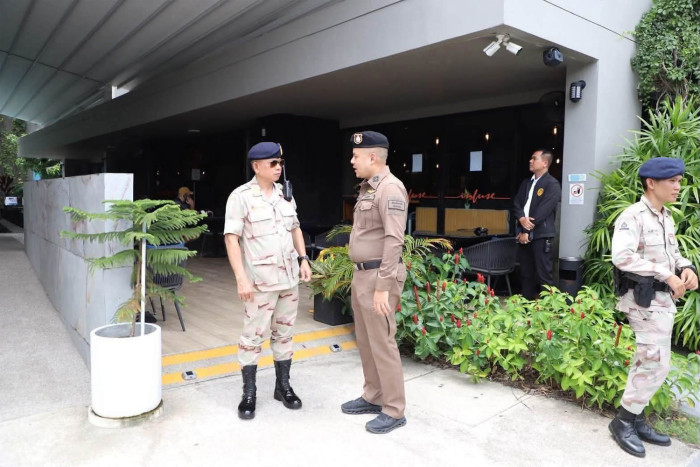
Thai authorities are investigating a British national and three interconnected companies in Krabi over suspected nominee shareholding arrangements linked to more than 120 rai of land worth about Bt2 billion.

The Department of Business Development (DBD) said the companies, which are alleged to have used cross-shareholdings, hold around 22 land plots and have openly advertised the land for sale. Officials are considering possible land revocation and criminal proceedings following a deeper investigation.

Three firms under scrutiny

The operation involved the Commerce Ministry, Interior Ministry, Royal Thai Police and Provincial Police Region 8. It was led by Deputy Interior Minister Pholpheera Suwanchawee and targeted companies suspected of using Thai nationals as nominee shareholders to bypass Thai legal restrictions on foreign business ownership and landholding.

Poonpong Naiyanapakorn, director-general of the DBD, said the British national registered a company in 2000 with Thai shareholders.

Officials subsequently identified what they described as significant changes: the original Thai shareholders were removed and replaced by a cross-shareholding structure involving three companies. The firms reportedly had the same individual as director.

Investigators examined shareholder lists and registers, financial statements, investment funding sources, management structures, business premises and links between shareholders and directors. The evidence gathered will be used in potential legal action.

The DBD said Thai people found to have helped or supported foreigners in operating businesses unlawfully could also face enforcement action.

What it means for foreign investors

Foreigners can lawfully invest in Thailand, including in Krabi's large tourism and property sectors, but land ownership and certain business activities remain restricted under Thai law. A company structure involving Thai shareholders must reflect genuine ownership and control, rather than acting as a front for a foreign investor.

The investigation does not mean all foreign-owned or foreign-invested businesses in Krabi are improper. However, authorities said they are focused on companies suspected of disguising foreign control in order to avoid permission requirements.

Krabi is a major economic and tourism province with continued overseas investment, particularly in property, hotels, resorts, restaurants and service businesses, the DBD said.

As of 22 July 2026, the province had 4,661 registered legal entities with combined registered capital of Bt33.722 billion. Krabi town had 2,888 entities, followed by Koh Lanta with 616, Nuea Khlong with 307, Ao Luek with 266, Khlong Thom with 205 and other districts with 379.

The DBD recorded 696 legal entities with foreign shareholdings of between 1 and 49.99 per cent, including 280 on Koh Lanta. A further 13 entities had foreign shareholdings of 50 per cent or more, with one on Koh Lanta.


Mvh isan lover
 
Hej

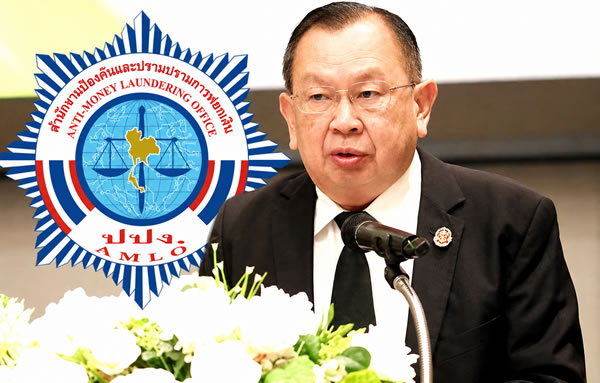
Crackdown turned nightmare for foreign owners with plan to treat nominee schemes as money laundering

July 24, 2026 at 1:56 pm

Thailand’s intensifying crackdown on nominee ownership could become a nightmare for those involved if the government heeds plans unveiled on Thursday by the President of the Ombudsman, Mr Songsak Saichue. He proposed treating offences used to conceal foreign control as a money laundering crime. The move could unleash AMLO investigations, asset tracing, retrospective ownership checks, land seizures, prison terms and multi-million-baht fines as scrutiny spreads from criminal syndicates into hotels, farms, property investments and long-established foreign businesses nationwide.

Nominee shareholding offences used to conceal foreign ownership in Thailand could be classified as money laundering crimes under proposals put forward by President of the Ombudsman Mr

Songsak Saichue, a move that would dramatically increase potential penalties for thousands of foreign investors if ultimately adopted by the government.

The recommendation marks the most far-reaching proposal yet to emerge from Thailand’s expanding campaign against nominee shareholding. Although it is not government policy, it points to a tougher enforcement strategy.

If eventually adopted, the proposal would transform nominee ownership from a corporate compliance issue into a serious financial crime carrying far wider legal consequences.

Crackdown on nominee ownership moved from organised crime into mainstream foreign businesses

The recommendation also comes as authorities continue widening investigations into businesses suspected of disguising foreign ownership through Thai shareholders. During the past year, enforcement has accelerated across several ministries.

Police, commercial investigators and land officials have all intensified inspections. As a result, many foreign investors now face growing uncertainty over business structures once regarded as commonplace.

Initially, the government’s campaign focused on organised crime and illicit foreign capital. However, its scope has steadily broadened. Today, enforcement increasingly reaches mainstream commercial activity. Consequently, concern is spreading well beyond criminal networks to include long-established foreign business owners and property investors.

Many smaller foreign entrepreneurs have invested heavily in Thailand over the past three decades. Some operate restaurants, hotels and tourism businesses. Others own manufacturing firms, trading companies or service businesses. Meanwhile, many property investors have also relied upon corporate structures to support long-term investments in the kingdom.

Officials link nominee companies to grey capital, financial crime and criminal syndicates

Thai authorities argue that stronger action has become unavoidable. According to officials, nominee structures have increasingly been exploited by transnational criminal organisations. In particular, Chinese criminal syndicates have become a growing concern.

Officials believe these networks have used Thai companies to conceal beneficial ownership, launder illicit funds and establish businesses beyond effective regulatory oversight.

Consequently, nominee ownership has become closely linked with the government’s wider campaign against grey capital. Authorities increasingly regard disguised ownership as more than a commercial issue. Instead, they see it as part of a broader effort to combat financial crime, illegal business operations and cross-border criminal networks.

Nevertheless, the wider crackdown is also affecting many reputable foreign investors. Many established businesses received advice from lawyers or accountants.

At the time, nominee shareholding was often presented as a practical solution to Thailand’s foreign ownership restrictions. Some professional advisers specialised in establishing these structures. They commonly charged formation fees together with annual or monthly maintenance costs.

Successive governments have repeatedly warned that nominee arrangements are unlawful where they exist solely to circumvent the Foreign Business Act. Likewise, officials have consistently warned against using nominees to bypass Thailand’s land ownership restrictions. Those warnings have become increasingly direct during the past decade as enforcement has intensified.

Foreign investors face uncertainty as legal reform and investigations gather momentum

Many foreign investors have responded by restructuring their businesses. Others have altered shareholding arrangements to strengthen legal compliance. Yet uncertainty has continued to grow. Prospective investors have become increasingly cautious. Property purchasers have also become more reluctant to rely upon structures once considered routine.

Notably, concern has spread beyond nominee companies alone. Long-term lease agreements remain recognised under Thai law.

However, some investors now fear future court interpretations could examine whether certain lease structures were created primarily to avoid restrictions on foreign land ownership. Although no such policy currently exists, the expanding crackdown has heightened those concerns.

Against that backdrop, Mr Songsak’s latest proposal has attracted particular attention within Thailand’s foreign business community.

Speaking on Thursday, the President of the Ombudsman called for nominee shareholding offences to become predicate offences under Thailand’s anti-money laundering legislation. Importantly, he was outlining recommendations from the Ombudsman’s Office rather than announcing a confirmed government policy.

Even so, the proposal carries considerable significance. Several government agencies are already reviewing related legislative reforms. If the recommendation were eventually accepted, investigations into nominee ownership could fall within the powers of the Anti-Money Laundering Office (AMLO). That would represent a substantial escalation from current enforcement practices.

Money laundering powers could vastly expand the penalties for unlawful nominee schemes

Under such a framework, authorities could pursue financial investigations alongside ownership offences. Asset tracing and other money laundering procedures could also become available. Consequently, the legal exposure facing those involved in unlawful nominee arrangements would increase sharply.

Mr Songsak announced the proposal while discussing the Ombudsman’s broader campaign against scammers, nominee businesses and illicit financial networks. He said the office had already visited several border provinces to strengthen cooperation with neighbouring countries.

Current discussions involve Thailand, China and Myanmar. However, those talks are expected to expand to Cambodia and Laos. Bilateral discussions are also planned with other countries confronting similar criminal activity.

In parallel, Mr Songsak outlined several regulatory reforms already under consideration. According to him, the Ministry of Commerce, the Ministry of Interior and the Land Department have all introduced or proposed measures targeting nominee ownership. Those agencies are now working alongside police and other enforcement bodies as the government’s campaign continues to expand.

Legal reforms could see retrospective ownership investigations and tougher enforcement powers

The Ministry of Commerce has already introduced regulations allowing retrospective examination of company ownership covering the previous three months. However, Mr Songsak questioned whether that period remains adequate.

The Ombudsman’s Office is now considering whether retrospective investigations should instead extend between one and three years. Such a change would allow investigators to examine ownership structures over a much longer period.

Separately, the Anti-Money Laundering Office is reviewing amendments arising from recommendations submitted by the Ombudsman’s Office. Those proposals would add nominee ownership offences to the list of predicate offences supporting money laundering investigations.

Although the review remains ongoing, it represents the clearest indication yet that nominee enforcement may soon extend well beyond existing company and land laws.

On another front, the Land Department has already submitted proposed legislative amendments to the Cabinet. Those proposals seek dramatically tougher penalties for unlawful nominee land ownership.

Current sanctions remain relatively limited. Individuals found using nominees generally face financial penalties and must surrender the land involved.

Tougher land ownership penalties could bring prison, multi-million-baht fines and state asset seizure

The proposed amendments would fundamentally change that position. Land acquired through unlawful nominee arrangements would instead become state property. In addition, both Thai and foreign shareholders involved could face prison sentences of up to three years. They could also receive fines of approximately ฿3 million each.

As part of this wider strategy, officials have also intensified inspections across areas considered vulnerable to nominee ownership and grey capital. The Ministry of Commerce has coordinated operations with police and other agencies.

Together, they have expanded investigations into businesses suspected of concealing foreign ownership. Those operations now extend well beyond individual complaints and form part of a broader nationwide enforcement campaign.

Alongside the proposed legal reforms, enforcement operations are continuing across Thailand. Officials are no longer concentrating solely on individual companies. Instead, they are targeting entire districts and business sectors considered vulnerable to nominee ownership, grey capital and organised criminal activity.

The Ombudsman’s Office continues receiving complaints from across the country. Those reports are being shared with the agencies responsible for enforcement and further investigation.

Huai Khwang and tourism provinces become priority targets in nominee ownership investigations

Bangkok’s Huai Khwang district has emerged as one of the principal areas under scrutiny. Mr Songsak described it as a significant centre for suspected nominee ownership and illicit capital. Consequently, the district remains under close observation as officials continue examining business ownership, financial activity and suspected nominee arrangements.

Elsewhere, enforcement teams have expanded inspections into several provinces with large tourism industries. Phang Nga and Surat Thani have already been identified as priority areas.

Authorities are also examining complaints concerning Khao Lak, where numerous hotels are alleged to operate through nominee structures. Those investigations form part of a broader effort to identify businesses believed to conceal effective foreign ownership behind Thai shareholders.

In response, senior officials from multiple ministries have continued meeting to strengthen coordination. The Ombudsman’s Office has invited representatives from key agencies to monitor developments, exchange information and recommend further action. The objective is to ensure investigations continue across provincial boundaries rather than remaining isolated cases.

Agricultural land has become another major area of concern. Officials fear nominee arrangements are increasingly being used to place productive farmland under effective foreign control. As a result, several important agricultural provinces are now receiving closer attention.

Agricultural land ownership complaints widen nominee investigations across farming regions

Mr Songsak identified Chanthaburi, Trat, Rayong and Chumphon among the areas facing heightened scrutiny. He also named Samut Songkhram, Samut Sakhon and Ratchaburi. According to the Ombudsman, complaints indicate agricultural land in those provinces may be passing into foreign control through nominee structures.

Beyond that, investigators are reviewing complaints involving specialist agricultural businesses. Sweet tamarind farmers in Phetchabun have already submitted proposals raising concerns about foreign investment.

Meanwhile, authorities are examining coconut-growing areas in Samut Songkhram, Samut Sakhon, Ratchaburi and Phetchaburi. Those complaints allege foreigners have gained effective control while Thai nominees remain the registered owners.

Separately, longan orchards have also attracted official attention. Mr Songsak said complaints had been received from Phetchabun, Chiang Mai and Chiang Rai. Those reports are now being monitored alongside wider investigations into nominee ownership across the agricultural sector.

Border provinces remain another enforcement priority. According to Mr Songsak, nominee businesses often overlap with scam operations and organised criminal networks operating across Thailand’s frontiers.

Border security cooperation expands as nominee firms become linked with regional crime networks

Those networks also facilitate the movement of both Thai and foreign workers abroad. Therefore, the Ombudsman’s Office has expanded cooperation with neighbouring countries while encouraging closer intelligence sharing.

Current discussions involve Thailand, China and Myanmar. However, Mr Songsak said the initiative will broaden further. Cambodia and Laos are expected to join future discussions. In addition, bilateral talks will be held with other countries confronting similar cross-border criminal activity.

Notably, the Ombudsman’s Office views the issue as extending well beyond nominee shareholding alone. Instead, officials increasingly see nominee companies, scammers, illicit capital and organised financial crime as interconnected challenges requiring coordinated enforcement by multiple agencies.

Tourism businesses remain another important focus. According to Mr Songsak, numerous hotels, resorts and guesthouses across Thailand are believed to operate through nominee structures. Consequently, investigations into ownership arrangements are expected to continue in major tourist destinations alongside wider commercial enforcement.

Ombudsman urges stronger action as foreign investors confront a rapidly changing environment

Despite the expanding campaign, Mr Songsak acknowledged the complexity of the task. He said dismantling nominee networks would not be straightforward because responsibility is shared across numerous agencies. Corporate ownership, land law, financial regulation and criminal investigations frequently overlap. Therefore, close coordination remains essential.

Even so, he stressed that the Ombudsman has a constitutional responsibility to push implementing agencies towards stronger and more consistent enforcement. The office cannot conduct every investigation itself. However, it can monitor government performance, issue recommendations and encourage agencies to produce more tangible results.

On corruption, Mr Songsak indicated that further investigations may follow wherever evidence emerges. Cases involving public officials would be referred to the National Anti-Corruption Commission together with other competent agencies.

According to preliminary information received by the Ombudsman’s Office, both private individuals and government officials may already be involved in some cases currently under investigation.

For many foreign investors, the expanding campaign has altered the investment landscape. During previous decades, nominee shareholding was widely marketed by legal and accounting firms as a practical solution to Thailand’s ownership restrictions. Today, those same structures face increasingly intensive scrutiny from regulators and law enforcement agencies.

Proposal signals toughest move yet in Thailand’s year long crackdown on nominee schemes

Consequently, many business owners have already reorganised their affairs in an effort to comply with evolving official interpretations. Others remain uncertain about whether long-standing arrangements could eventually face investigation. Property investors have expressed similar concerns, particularly as authorities continue broadening reviews of ownership structures across several sectors.

Importantly, Mr Songsak’s proposal to classify nominee offences as money laundering crimes remains only a recommendation. It has not yet been adopted by the government or enacted into law. Nevertheless, it reflects the increasingly firm direction of Thailand’s enforcement strategy.


Mvh isan lover
 
Hej

Police Dismantle Foreign Nominee Network Running International Schools in Chalong​

Thursday, 6 August 2026, 21:11


764711610_1766940235438365_2315926221210043996_n.jpg


Police in Phuket have launched a major crackdown on foreign nationals illegally operating businesses through Thai nominees, in line with national directives to enforce the Foreign Business Act of 1999.

Under the leadership of Pol. Maj. Gen. Sinlert Sukhum, Commander of Phuket Provincial Police, and Pol. Col. Surasak Jaidee, Superintendent of Chalong Police Station, investigators conducted a sweeping probe into suspected nominee structures in Chalong and Rawai.

Authorities discovered three companies running international schools with two foreign nationals exercising control over operations. Thai nationals were found to have assisted in registering and establishing the companies, effectively serving as nominees to circumvent restrictions under Thai law.

Following the investigation, the Phuket Provincial Court issued arrest warrants for four suspects, two foreigners and two Thai nationals. Police also initiated legal proceedings against all three companies involved.


On August 5, 2026, Pol. Lt. Col. Chayakorn Tangsakul, Chief Investigator of Chalong Police Station, led a team to execute the warrants. All four suspects were apprehended and handed over to investigators for prosecution under the Foreign Business Act.

Authorities confirmed that the investigation is ongoing, with efforts to trace additional individuals and corporate entities potentially linked to the nominee network. As the investigation is ongoing the suspects and schools were not publicly named.


Mvh isan lover


Liknande trådar

 
Tillbaka
Topp