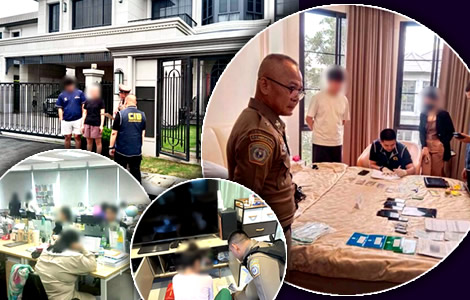
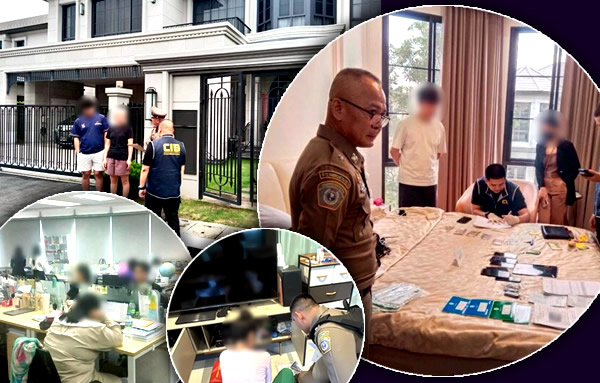
Myndigheter jagar olagliga verksamheter som drivs av utlänningar

 
55555 kolla upp fakta innan du skrattar. Aktieägare i sk. Nomineföretag har just nu frikort om de anmäler sig själva som nominee, och sedan får de dessutom rätt till den ägarandel de står för. Tippspengar är också ett alternativet i många fall. Googla du lite, eller kolla på den video jag postade tidigare i denna tråd.
Och vad har det med turister att göra, vet du? Förklara gärna. De ryssar och israeler som äger hundratals företag via nominees är knappast turister. Och de som äger land via bolag, är de turister?
En hel del turister som "äger" med nominee, "utländskägda" villages där tex ägandet i företaget som säljer leasing är 49% norskt och 51% nominee (där fd kollega har leasat hus har dom det upplägget) så då skulle dom nominee ta över hela villagen, dom "turister som köpt leasekontrakt bli utkastade....
Pattayas största condoutvecklare är Israeliskt, eftersom dom inte får äga mark har dom thai nominee som står på marken under bygget och under tiden man väntar på att få sålt condos.
Har ju själv köpt condo avd det företaget, när condon fördes över till mitt namn så var det från thai som stod på condon fast helt nybyggd.
Så då kan dessa lyfta på luren och ta över hela condominiums och bli miljadärer då.
Skulle påverka turismen hel del.
Kommer nog och ske.......
Visa på ett fall i en mediaartikel där nominee fått ta över hela företag, villages, condokomplex, någon youtubevideo ser jag inte på.
 
Nu har jag googlat och nominee tjänar ingenting på det.
Eftersom upplägget är olagligt så stängs företaget ner, marken beslagtas av staten.

What Happens to the Business: When these illegal structures are exposed, the Thai government forces the closure or liquidation of the companies involved and may seize land or assets into state property.

No Windfall for the Nominee: A Thai national who acts as an illegal nominee is actively violating the law. Because the underlying contract is illegal, the proxy cannot legally "take over" the company or village for themselves. They generally face criminal prosecution rather than receiving ownership rights.

Penalties: Both foreign principals and Thai nominees face up to 3 years in prison, massive fines, and court-ordered company dissolution.
 
Hej

Thailand’s Sweeping Billion Baht Crackdown on Foreign Property Nominees
Last updated: June 14, 2026 9:04 am
3 hours ago​


Thailand’s Sweeping Billion Baht Crackdown on Foreign Property Nominees


BANGKOK – Foreign investors caught using illegal Thai nominees to purchase land in Thailand are facing unprecedented and devastating legal consequences across the country. A sweeping nationwide enforcement framework has already identified over 15.1 billion baht in estimated economic damages linked to these unlawful proxy companies.

Consequently, Thai authorities are moving swiftly to freeze assets, dissolve illegal shell companies, and prosecute those involved to the fullest extent of the law.

Key Takeaways​

  • Total Asset Loss: Authorities immediately freeze illegally acquired property, initiating forced sales or outright state forfeiture without compensation.
  • Severe Criminal Penalties: Both the foreign buyer and the local Thai nominee face up to three years in prison and heavy fines.
  • Lifetime Repercussions: Implicated foreigners face immediate visa revocation, deportation, and permanent blacklisting from re-entering Thailand.

The End of the Nominee Loophole​

For decades, many foreigners relied on a legally grey workaround by using Thai nationals to hold majority shares in property-owning companies. However, this practice explicitly violates the Foreign Business Act, and the government is finally closing the net. The Department of Business Development (DBD) has recently deployed an advanced AI-based screening platform called the Intelligence Business Analytic System (IBAS).

This new technology actively flags suspicious company structures, especially when a Thai shareholder’s declared income does not match their multi-million-baht property investments. Once a red flag is raised, multi-agency investigations commence immediately, focusing heavily on prime tourist destinations like Phuket, Surat Thani, and Chonburi.

Asset Freezes and Forced Disposals​

The most immediate and painful consequence for a foreign investor caught in this snare is the total loss of their property. When authorities confirm an illegal nominee structure, the Department of Lands immediately freezes the property title, making any legal sale impossible. The foreign national cannot quietly liquidate the asset to recover their initial investment.

Instead, under Section 94 of the Thai Land Code, the Minister of Interior steps in and orders a forced disposal of the land. The property must typically be sold within a period of 180 days to one year. If the owner fails to meet this strict deadline, the Director-General of the Department of Lands assumes direct control and auctions the property.

The Threat of Total State Forfeiture​

Even under a forced sale, the foreigner does not simply walk away with the proceeds. The money is usually tied up in complex court battles, drained by massive fines, or entirely confiscated under anti-money laundering regulations. Furthermore, underlying purchase agreements are legally void from the beginning, stripping the foreigner of any valid ownership rights.

Currently, the legal landscape is shifting toward an even harsher penalty. The Thai Cabinet is studying proposed amendments to the Land Code that would transition penalties from a forced disposal to outright forfeiture to the State. If enacted, unlawfully held properties would simply vest in the government, eliminating any chance of financial recovery for the foreign buyer.

Criminal Charges and Deportation​

Beyond the devastating financial losses, the personal legal consequences are incredibly severe for everyone involved in the transaction. Both the foreign beneficiary and the Thai nominee face prison sentences of up to three years under the Foreign Business Act. Additionally, they face individual fines ranging from 100,000 to 1,000,000 THB for every confirmed violation.

The foreign investor’s life in Thailand effectively ends the moment a guilty verdict is reached. Immigration authorities will immediately revoke their visa and initiate deportation proceedings, removing them from the country. Following deportation, the individual is permanently blacklisted, making future travel or business ventures in Thailand virtually impossible.

Follow the Money: Expanding Investigations​

The crackdown extends far beyond the physical land, targeting the enablers and the financial networks facilitating these illegal transactions. The Department of Special Investigation (DSI) routinely partners with the Anti-Money Laundering Office (AMLO) to audit suspicious companies. These joint task forces aggressively pursue law firms, accounting practices, and real estate agencies that actively set up these illegal nominee structures.

During a recent operation on Koh Phangan, authorities arrested 22 foreigners and seized land worth over 200 million baht. Any Thai-registered company found acting as a front for illegal property acquisition will be forcefully dissolved by the court system. The government is determined to restore fair business competition and ensure that Thai land remains in the hands of its rightful citizens.

Legitimate Alternatives for Foreign Buyers​

While the crackdown on illegal proxy arrangements is intense, Thailand still offers several completely legal pathways for foreigners wanting to invest. The most straightforward method is purchasing a condominium unit, provided the building’s total foreign ownership ratio remains under the legal limit of 49 percent. This structure grants the foreign buyer absolute freehold ownership in their own name, eliminating the need for complex and risky corporate setups.

For those strictly desiring landed property or luxury villas, long-term leasehold agreements offer a very secure and state-sanctioned alternative. Foreigners can legally register a 30-year lease directly with the Land Department, which provides guaranteed possession and usage rights. Moreover, these leases often include legally binding options to renew for additional terms, making them a highly practical choice for long-term residents and retirees.

Recent Localization of Seizures​

Individual multi-million and multi-billion baht networks are being targeted simultaneously across major tourist hubs:
  • Rayong: Authorities are probing a single Chinese-backed luxury condominium nominee network tied to a 2 billion baht project.
  • Phuket: Past coordinated raids on a single Russian network alone led to the seizure of land titles and cash assets worth 1.5 billion baht.
  • Koh Phangan & Koh Samui: Broad sweeps of thousands of foreign-held companies have yielded rapid land seizures valued between 150 million and 200 million baht per targeted wave.
Ultimately, the era of turning a blind eye to illegal foreign land ownership in Thailand has definitively ended. For foreign nationals seeking to invest in the Kingdom, adhering strictly to legitimate legal structures is no longer just an option—it is an absolute necessity. Ignoring these strict new regulations will inevitably lead to financial ruin, deportation, and the complete loss of your tropical dream home.


Mvh isan lover
 
Hej

Thailand’s Sweeping Billion Baht Crackdown on Foreign Property Nominees​

Last updated: June 14, 2026 9:04 am​

3 hours ago​


Thailand’s Sweeping Billion Baht Crackdown on Foreign Property Nominees


BANGKOK – Foreign investors caught using illegal Thai nominees to purchase land in Thailand are facing unprecedented and devastating legal consequences across the country. A sweeping nationwide enforcement framework has already identified over 15.1 billion baht in estimated economic damages linked to these unlawful proxy companies.

Consequently, Thai authorities are moving swiftly to freeze assets, dissolve illegal shell companies, and prosecute those involved to the fullest extent of the law.

Key Takeaways​

  • Total Asset Loss: Authorities immediately freeze illegally acquired property, initiating forced sales or outright state forfeiture without compensation.
  • Severe Criminal Penalties: Both the foreign buyer and the local Thai nominee face up to three years in prison and heavy fines.
  • Lifetime Repercussions: Implicated foreigners face immediate visa revocation, deportation, and permanent blacklisting from re-entering Thailand.

The End of the Nominee Loophole​

For decades, many foreigners relied on a legally grey workaround by using Thai nationals to hold majority shares in property-owning companies. However, this practice explicitly violates the Foreign Business Act, and the government is finally closing the net. The Department of Business Development (DBD) has recently deployed an advanced AI-based screening platform called the Intelligence Business Analytic System (IBAS).

This new technology actively flags suspicious company structures, especially when a Thai shareholder’s declared income does not match their multi-million-baht property investments. Once a red flag is raised, multi-agency investigations commence immediately, focusing heavily on prime tourist destinations like Phuket, Surat Thani, and Chonburi.

Asset Freezes and Forced Disposals​

The most immediate and painful consequence for a foreign investor caught in this snare is the total loss of their property. When authorities confirm an illegal nominee structure, the Department of Lands immediately freezes the property title, making any legal sale impossible. The foreign national cannot quietly liquidate the asset to recover their initial investment.

Instead, under Section 94 of the Thai Land Code, the Minister of Interior steps in and orders a forced disposal of the land. The property must typically be sold within a period of 180 days to one year. If the owner fails to meet this strict deadline, the Director-General of the Department of Lands assumes direct control and auctions the property.

The Threat of Total State Forfeiture​

Even under a forced sale, the foreigner does not simply walk away with the proceeds. The money is usually tied up in complex court battles, drained by massive fines, or entirely confiscated under anti-money laundering regulations. Furthermore, underlying purchase agreements are legally void from the beginning, stripping the foreigner of any valid ownership rights.

Currently, the legal landscape is shifting toward an even harsher penalty. The Thai Cabinet is studying proposed amendments to the Land Code that would transition penalties from a forced disposal to outright forfeiture to the State. If enacted, unlawfully held properties would simply vest in the government, eliminating any chance of financial recovery for the foreign buyer.

Criminal Charges and Deportation​

Beyond the devastating financial losses, the personal legal consequences are incredibly severe for everyone involved in the transaction. Both the foreign beneficiary and the Thai nominee face prison sentences of up to three years under the Foreign Business Act. Additionally, they face individual fines ranging from 100,000 to 1,000,000 THB for every confirmed violation.

The foreign investor’s life in Thailand effectively ends the moment a guilty verdict is reached. Immigration authorities will immediately revoke their visa and initiate deportation proceedings, removing them from the country. Following deportation, the individual is permanently blacklisted, making future travel or business ventures in Thailand virtually impossible.

Follow the Money: Expanding Investigations​

The crackdown extends far beyond the physical land, targeting the enablers and the financial networks facilitating these illegal transactions. The Department of Special Investigation (DSI) routinely partners with the Anti-Money Laundering Office (AMLO) to audit suspicious companies. These joint task forces aggressively pursue law firms, accounting practices, and real estate agencies that actively set up these illegal nominee structures.

During a recent operation on Koh Phangan, authorities arrested 22 foreigners and seized land worth over 200 million baht. Any Thai-registered company found acting as a front for illegal property acquisition will be forcefully dissolved by the court system. The government is determined to restore fair business competition and ensure that Thai land remains in the hands of its rightful citizens.

Legitimate Alternatives for Foreign Buyers​

While the crackdown on illegal proxy arrangements is intense, Thailand still offers several completely legal pathways for foreigners wanting to invest. The most straightforward method is purchasing a condominium unit, provided the building’s total foreign ownership ratio remains under the legal limit of 49 percent. This structure grants the foreign buyer absolute freehold ownership in their own name, eliminating the need for complex and risky corporate setups.

For those strictly desiring landed property or luxury villas, long-term leasehold agreements offer a very secure and state-sanctioned alternative. Foreigners can legally register a 30-year lease directly with the Land Department, which provides guaranteed possession and usage rights. Moreover, these leases often include legally binding options to renew for additional terms, making them a highly practical choice for long-term residents and retirees.

Recent Localization of Seizures​

Individual multi-million and multi-billion baht networks are being targeted simultaneously across major tourist hubs:
  • Rayong: Authorities are probing a single Chinese-backed luxury condominium nominee network tied to a 2 billion baht project.
  • Phuket: Past coordinated raids on a single Russian network alone led to the seizure of land titles and cash assets worth 1.5 billion baht.
  • Koh Phangan & Koh Samui: Broad sweeps of thousands of foreign-held companies have yielded rapid land seizures valued between 150 million and 200 million baht per targeted wave.
Ultimately, the era of turning a blind eye to illegal foreign land ownership in Thailand has definitively ended. For foreign nationals seeking to invest in the Kingdom, adhering strictly to legitimate legal structures is no longer just an option—it is an absolute necessity. Ignoring these strict new regulations will inevitably lead to financial ruin, deportation, and the complete loss of your tropical dream home.


Mvh isan lover
Ja precis, står inte att nominee tar över i den artikeln utan står precis som i den texten jag linkade.
Inte som @Vaxet older version påstår att nominee lyfter luren och sen tar över utan även dom åtalas.

Det här kan slå hårt mot turism och bostadsmarknaden, vem vill investera i ett land där risken att förlora allt höjs.
99,9xxxxx som reser till Thailand har inte thaiförhållanden och hela villages där det bara bor utlänningar utan anknytning till Thai.
Vet flera både norska och svenska i Rayong.
Norsk "ägare" av företaget med thai nominee som leasar ut husen.
Alla dom som bor där är deltidsboende turister utan thaianknytning och dålig koll på lagar och regler, det "hjälper" villagens jurist dom med.
Så börjar dom slå till mot dessa villages så kommer det slå mot turism, bostadsmarknaden och Thailands rykte som hyfsat safe retirement land.
 
Ja precis, står inte att nominee tar över i den artikeln utan står precis som i den texten jag linkade.
Inte som @Vaxet older version påstår att nominee lyfter luren och sen tar över utan även dom åtalas.

Det här kan slå hårt mot turism och bostadsmarknaden, vem vill investera i ett land där risken att förlora allt höjs.
99,9xxxxx som reser till Thailand har inte thaiförhållanden och hela villages där det bara bor utlänningar utan anknytning till Thai.
Vet flera både norska och svenska i Rayong.
Norsk "ägare" av företaget med thai nominee som leasar ut husen.
Alla dom som bor där är deltidsboende turister utan thaianknytning och dålig koll på lagar och regler, det "hjälper" villagens jurist dom med.
Så börjar dom slå till mot dessa villages så kommer det slå mot turism, bostadsmarknaden och Thailands rykte som hyfsat

Ja precis, står inte att nominee tar över i den artikeln utan står precis som i den texten jag linkade.
Inte som @Vaxet older version påstår att nominee lyfter luren och sen tar över utan även dom åtalas.

Det här kan slå hårt mot turism och bostadsmarknaden, vem vill investera i ett land där risken att förlora allt höjs.
99,9xxxxx som reser till Thailand har inte thaiförhållanden och hela villages där det bara bor utlänningar utan anknytning till Thai.
Vet flera både norska och svenska i Rayong.
Norsk "ägare" av företaget med thai nominee som leasar ut husen.
Alla dom som bor där är deltidsboende turister utan thaianknytning och dålig koll på lagar och regler, det "hjälper" villagens jurist dom med.
Så börjar dom slå till mot dessa villages så kommer det slå mot turism, bostadsmarknaden och Thailands rykte som hyfsat safe retirement land.
Har inte tid idag. Svarar senare. Mitt i verkligheten i Bangkok är viktigare idag.

att.3fKzIM3P-R1dI4rNNHHzbLTCJyQcen07UM3agrkMFPk.webp
 
Ja precis, står inte att nominee tar över i den artikeln utan står precis som i den texten jag linkade.
Inte som @Vaxet older version påstår att nominee lyfter luren och sen tar över utan även dom åtalas.

Det här kan slå hårt mot turism och bostadsmarknaden, vem vill investera i ett land där risken att förlora allt höjs.
99,9xxxxx som reser till Thailand har inte thaiförhållanden och hela villages där det bara bor utlänningar utan anknytning till Thai.
Vet flera både norska och svenska i Rayong.
Norsk "ägare" av företaget med thai nominee som leasar ut husen.
Alla dom som bor där är deltidsboende turister utan thaianknytning och dålig koll på lagar och regler, det "hjälper" villagens jurist dom med.
Så börjar dom slå till mot dessa villages så kommer det slå mot turism, bostadsmarknaden och Thailands rykte som hyfsat safe retirement land.
Ok, se hela videon, men kolla extra från 5:05, tipspengar, jojo.
Ja, en liten rapport från verkliga… verkligheten.
 
Ok, se hela videon, men kolla extra från 5:05, tipspengar, jojo.
Ja, en liten rapport från verkliga… verkligheten.
Du visar en youtubevideo med en gubbe som påstår, visa på någonstans där det är officiellt från Thailändskt håll att nominee undgår straff och istället får del av.
Enligt thailag sägs det ju att nomineebrottet är likställt med den utländske aktörens och att företag avvecklas, mark och bostäder konfiskeras av staten.
Då det är ett olagligt avtal från början har nominee ingen äganderätt, kan inte få äganderätt på ett avtal som aldrig varit giltigt utan brottsligt från båda sidor när det skrevs, har ingen laga kraft.
Din verkliga verklighet är ett youtubeklipp utan någon validering av fakta , är det samma källa du fick din info för nåt år sen att Bangkokbank höll på och stänga alla utlänningars konton?

No Windfall for the Nominee: A Thai national who acts as an illegal nominee is actively violating the law. Because the underlying contract is illegal, the proxy cannot legally "take over" the company or village for themselves. They generally face criminal prosecution rather than receiving ownership rights.
 
:clap_tranparent: :kewl_transparent::beer::angel_transparent: Jaha, då tar vi till AI här också, men det är väl bara rätt när du gör det.

Yes, a Thai nominee who becomes a whistleblower can receive a financial reward, but it is not immediate. Rewards are only distributed after a successful prosecution, a final court judgment, and the forfeiture of illicit assets to the state. [1, 2]
Here are the specific details and conditions regarding whistleblower rewards in Thailand:
  • Reward Amount: Whistleblowers who provide vital information to the National Anti-Corruption Commission (NACC) are eligible to receive a reward calculated at 15% of the value of the assets seized by the court, up to a maximum cap of 100 million baht. [1]
  • Disbursement Timeline: Rewards are only paid after a final court decision officially orders the forfeiture of the illegally acquired assets to the state, and upon formal approval by the NACC committee. [1]
  • Legal Protections: The amended Organic Act on Anti-Corruption explicitly protects whistleblowers. If you report wrongdoing in good faith, you are shielded from civil, criminal, and disciplinary penalties—including retaliatory lawsuits (Anti-SLAPP). [1, 2, 3]
  • Reporting Channels: Corruption complaints can be filed directly in person at NACC Headquarters, via the NACC Hotline (1205), or through the Corruption Watch platform. [1]
Eller kontakta Brian, en av de bästa i Thailand, ja, advokat för expats, alltså. Trevlig dag.
 
Senast ändrad:
Du visar en youtubevideo med en gubbe som påstår, visa på någonstans där det är officiellt från Thailändskt håll att nominee undgår straff och istället får del av.
Enligt thailag sägs det ju att nomineebrottet är likställt med den utländske aktörens och att företag avvecklas, mark och bostäder konfiskeras av staten.
Då det är ett olagligt avtal från början har nominee ingen äganderätt, kan inte få äganderätt på ett avtal som aldrig varit giltigt utan brottsligt från båda sidor när det skrevs, har ingen laga kraft.
Din verkliga verklighet är ett youtubeklipp utan någon validering av fakta , är det samma källa du fick din info för nåt år sen att Bangkokbank höll på och stänga alla utlänningars konton?

No Windfall for the Nominee: A Thai national who acts as an illegal nominee is actively violating the law. Because the underlying contract is illegal, the proxy cannot legally "take over" the company or village for themselves. They generally face criminal prosecution rather than receiving ownership rights.
Jo, jag tänkte så här: du kan ju läsa själv – bara ett axplock från de senaste veckorna. Och saken är så jätte enkel, följ lagarna och man är säker.
Alla som har upplägg för ägande av land utanför landlease eller ägande via en thai privat är inte ok, oavsett vad en norman i Rayong med 51% och nominee i bolaget har gjort, gör eller säger är lagligt. Tråkigt för många men bra för Thailand i det långa loppet.
Du kan dock utan problem äga ett condominium som farang, ja med vissa krav uppfyllda.

 
Jo, jag tänkte så här: du kan ju läsa själv – bara ett axplock från de senaste veckorna. Och saken är så jätte enkel, följ lagarna och man är säker.
Alla som har upplägg för ägande av land utanför landlease eller ägande via en thai privat är inte ok, oavsett vad en norman i Rayong med 51% och nominee i bolaget har gjort, gör eller säger är lagligt. Tråkigt för många men bra för Thailand i det långa loppet.
Du kan dock utan problem äga ett condominium som farang, ja med vissa krav uppfyllda.

Har du noll läsförståelse???
Var har jag skrivit att en norrmann påstår att det är lagligt, jag har skrivit att upplägget är så på flera norska och svenska villages där, jag har inte NÅGONSTANS påstått att det är lagligt!!
Jag ifrågasätter ditt påstående att nominee om dom lyfter luren blir dagens hjälte och tjänar en jättehacka.....
Visa på ett fall där det skett istället för youtubevideos och ring Brian.......
 
Jo, jag tänkte så här: du kan ju läsa själv – bara ett axplock från de senaste veckorna. Och saken är så jätte enkel, följ lagarna och man är säker.
Alla som har upplägg för ägande av land utanför landlease eller ägande via en thai privat är inte ok, oavsett vad en norman i Rayong med 51% och nominee i bolaget har gjort, gör eller säger är lagligt. Tråkigt för många men bra för Thailand i det långa loppet.
Du kan dock utan problem äga ett condominium som farang, ja med vissa krav uppfyllda.

Vad är det du vill visa med länken, jag har inte ifrågasatt nominee lagligt eller ej, förstår du inte??
Jag ifrågasätter ditt påstående att räcker nominee lyfter luren så blir dom rika.....
Och på vilket sätt det är bra för Thailand att utlänningar blir av med sina bostäder.....
 
Vad är det du vill visa med länken, jag har inte ifrågasatt nominee lagligt eller ej, förstår du inte??
Jag ifrågasätter ditt påstående att räcker nominee lyfter luren så blir dom rika.....
Och på vilket sätt det är bra för Thailand att utlänningar blir av med sina bostäder.....
Du ifrågasätter något jag aldrig skrivit, men jag har lärt mig din teknik nu. Så tro vad du vill, jag återkommer i ärendet när något nytt händer i verkligheten
 
Det är inte en enskild israel, en ryss eller... som åker dit. Kolla upp. Just nu är det 47 000 listade företag som genomgår eller kommer att genomgå revisioner.
Projektet har pågått i 2 år nu och mer än 22 000 företag är på goda grunder listade som misstänkta för olaglig verksamhet. Detta är officiella handlingar och siffror. Ingen politiker vågar backa från detta.

Och om vi nu ska tala om fastighetsmarknaden i Thailand på riktiga grunder så..... De som sitter på den enorma mängden osålda condominiums i Bangkok, Pattaya och Phuket vill inget hellre än att olagliga landägare måste köpa Condor i stället. Ja, det är ju den enda chansen att äga sitt boende helt som utlänning i Thailand.
Och igen, alla nomine kan nu, om de vill, kvittera ut sitt ägande i nominella värden av aktierna, eller t.o.m. begära aktieutdelning och en plats i bolagsstyrelsen. Det enda de behöver göra för att bli rika… eller ja, mindre fattiga, är att lyfta luren och kontakta Immigration eller polisen. Lättförtjänta pengar om man inte ens känner dem man äger bolag åt. Och många har redan gjort detta.
Jasså det har du inte skrivit, kanske jag som har dålig läsförståelse när jag läser det här inlägget för det står ju där??
 
Jasså det har du inte skrivit, kanske jag som har dålig läsförståelse när jag läser det här inlägget för det står ju där??
Som du självfallet förstår antar jag, så är lyfta luren absolut första steget, och det har jag flera gånger visat på. Rätten ska säga sitt, men om de har gjort rätt så blir det pengar i kassan så småningom.

Och… angående Normän med nomines, lika olagligt som svenskar, danskar, israeler eller ryssar.

Men du, jag skriver inte här för att bevisa något för någon. Jag rapporterar bara från Thailand och det jag ser just nu. Och att märka ord får du leva med själv. Ska på Landoffice snart igen, kanske får jag ytterligare information som jag kan vidarebefordra till dig i Svedala och de som undrar vad som pågår.

Trevlig dag igen.
 
Som du självfallet förstår antar jag, så är lyfta luren absolut första steget, och det har jag flera gånger visat på. Rätten ska säga sitt, men om de har gjort rätt så blir det pengar i kassan så småningom.

Och… angående Normän med nomines, lika olagligt som svenskar, danskar, israeler eller ryssar.

Men du, jag skriver inte här för att bevisa något för någon. Jag rapporterar bara från Thailand och det jag ser just nu. Och att märka ord får du leva med själv. Ska på Landoffice snart igen, kanske får jag ytterligare information som jag kan vidarebefordra till dig i Svedala och de som undrar vad som pågår.

Trevlig dag igen.
Vadå märka ord?????
Jag har fortsatt inte skrivit att nominee är lagligt för vare sig norrmänn, svenskar eller ryssar??
Läs vad jag har skrivit, jag har skrivit om nominees rätt till del av kakan som visselblåsare och att jag knappast tror att en visselblåsare kan lyfta på luren och sen få del av hela villages som belöning.
Eftersom avtalet är olagligt från början så gäller inte heller nominees äganderätt utan det är staten som beslagtar.
Säkert några rika herrar i hög position som blir rikare i slutändan och nominee hamnar bakom galler.
Märker väl inte ord, det är ju det jag har diskuterat.
Jag har inte i ett enda inlägg påstått att nominee ägande är lagligt eller att det inte pågår crackdowns.

Sen japp jag är i Sverige och bor här sen 8 månader tillbaka men det du postat verkar inte vara från verkliga livet där nere för du har inte visat på ett enda fall än där nominee lyft på luren och blivit rika på kuppen.
Nog större chans att dom får dela cell med utlänningen.
 
Vadå märka ord?????
Jag har fortsatt inte skrivit att nominee är lagligt för vare sig norrmänn, svenskar eller ryssar??
Läs vad jag har skrivit, jag har skrivit om nominees rätt till del av kakan som visselblåsare och att jag knappast tror att en visselblåsare kan lyfta på luren och sen få del av hela villages som belöning.
Eftersom avtalet är olagligt från början så gäller inte heller nominees äganderätt utan det är staten som beslagtar.
Säkert några rika herrar i hög position som blir rikare i slutändan och nominee hamnar bakom galler.
Märker väl inte ord, det är ju det jag har diskuterat.
Jag har inte i ett enda inlägg påstått att nominee ägande är lagligt eller att det inte pågår crackdowns.

Sen japp jag är i Sverige och bor här sen 8 månader tillbaka men det du postat verkar inte vara från verkliga livet där nere för du har inte visat på ett enda fall än där nominee lyft på luren och blivit rika på kuppen.
Nog större chans att dom får dela cell med utlänningen.
Vet du, ingen har nog skrivit att du har påstått att nominering är laglig, inte jag heller.
Men som avslutning från mig till dig, ja, på din jakt efter att vinna varje konversation genom uttröttning och ordvrängeri. Nedan är ett exakt svar från Lawyers for Expats, källa: Brian Ramsdean på nämnda bolag.
Lagen är tydlig, men i Thailand finns det ingen statistik på detta. Nedan är lagen som används nu.

There are no public records of specific company nominees who blew the whistle on illicit nominee structures in Thailand and received a 15% outcome or value of the company. However, under the Organic Act on Anti-Corruption, Thai authorities do offer whistleblowers financial rewards. [1]

Whistleblower Reward System in Thailand
While the specific 15% payout scenario you described is not documented in local corporate cases, the National Anti-Corruption Commission (NACC) has specific reward guidelines: [1]

  • Reward Structure: Whistleblowers can receive financial rewards corresponding to 15% of the value of the assets recovered that become state property. [1]
  • Payout Cap: The maximum monetary reward for a whistleblower is capped at 100 million baht (THB 100,000,000). [1]
  • Legal Protections: The 2025 amendments to the anti-corruption act provide whistleblowers with anti-SLAPP immunity, meaning they are shielded from civil, criminal, or disciplinary retaliation. [1, 2]
Och i övrigt närmar sig siffran för misstänkta företag under utredning nu 50 000, så det rör på sig.
Återkommer efter nästa landoffice-besök med min egen erfarenhet efter det, precis som efter förra besöket.
 
Vet du, ingen har nog skrivit att du har påstått att nominering är laglig, inte jag heller.
Men som avslutning från mig till dig, ja, på din jakt efter att vinna varje konversation genom uttröttning och ordvrängeri. Nedan är ett exakt svar från Lawyers for Expats, källa: Brian Ramsdean på nämnda bolag.
Lagen är tydlig, men i Thailand finns det ingen statistik på detta. Nedan är lagen som används nu.

There are no public records of specific company nominees who blew the whistle on illicit nominee structures in Thailand and received a 15% outcome or value of the company. However, under the Organic Act on Anti-Corruption, Thai authorities do offer whistleblowers financial rewards. [1]

Whistleblower Reward System in Thailand
While the specific 15% payout scenario you described is not documented in local corporate cases, the National Anti-Corruption Commission (NACC) has specific reward guidelines: [1]

  • Reward Structure: Whistleblowers can receive financial rewards corresponding to 15% of the value of the assets recovered that become state property. [1]
  • Payout Cap: The maximum monetary reward for a whistleblower is capped at 100 million baht (THB 100,000,000). [1]
  • Legal Protections: The 2025 amendments to the anti-corruption act provide whistleblowers with anti-SLAPP immunity, meaning they are shielded from civil, criminal, or disciplinary retaliation. [1, 2]
Och i övrigt närmar sig siffran för misstänkta företag under utredning nu 50 000, så det rör på sig.
Återkommer efter nästa landoffice-besök med min egen erfarenhet efter det, precis som efter förra besöket.
Jasså trodde det var du som var på jakt att vinna varje diskussion för trots att du sagt att du inte skulle skriva nåt mer föränn nytt återkommer du.
Men bra nu postar du iaf att det finns inget bekräftat fall där någon nominee fått några 15%.
Så det är Brians utsago, världens bästa advokat som erbjuder sin tjänst i det välavlönade landet thailand.
Är väl skit samma hur många land office besök du vart på, dom sitter väl inte och berättar för dig om visselblåsande nominee och belöningssystem.
 
Hej

Police smash Chinese property empire using nominee shareholdings run by 35 year old Mr Hao on Sunday

  • June 14, 2026 at 9:19 am

Bangkok police smash a Chinese “grey market” property empire as a five-site ECSD operation captures Mr. Hao, seizes cash, foreign currencies and digital asset equipment, and exposes a network accused of using Thai nominees to control luxury homes worth hundreds of millions.


A five-location Bangkok police operation on Sunday smashed a Chinese “grey market investment” network worth hundreds of millions of baht, exposing a web of nominee companies, luxury properties and hidden ownership structures allegedly used to bypass Thai law. The co-ordinated raids ended with the arrest of alleged ringleader Mr. Hao, 35, as investigators seized cash, foreign currencies, digital asset equipment and critical property records while widening their inquiry into Thai and foreign figures linked to the operation.

Huai Khwang raid shows nominee shareholdings being used by Chinese infiltrating the economy
Bangkok police smashed a Chinese “grey market” property network in five raids, arresting Mr. Hao, 35, and seizing cash, digital asset equipment and records tied to luxury homes worth hundreds of millions of baht. (Source: Matichon)

The Economic Crime Suppression Division (ECSD) dismantled an alleged Chinese “grey market investment” empire on June 13 after coordinated raids across five Bangkok locations.

Officers arrested the suspected leader, Mr. Hao, a 35-year-old Chinese national, at his luxury residence. Investigators alleged the network used Thai nominees to conceal ownership of luxury homes and condominiums worth hundreds of millions of baht.

The operation was ordered by Pol. Lt. Gen. Natthasak Chaowanasai, Commander of the Crime Suppression Division. It was carried out by Pol. Maj. Gen. Tatsaphum Charupraj, Commander of the ECSD, alongside Division 4 officers. The team included Pol. Col. Chamnan Chanthet and inspectors Pol. Lt. Col. Sutthipong Monrat, Pol. Lt. Col. Worawut Kongraksa, Pol. Lt. Col. Sathit Hawongchai and Pol. Lt. Col. Trairong Nuaiytui.

Chinese nominee firms exposed as police seize cash, foreign currencies and property files in raids

According to investigators, the group created several nominee companies to bypass Thai property restrictions. Thai women were allegedly appointed as directors and majority shareholders. However, investigators believe Chinese investors remained behind the businesses and controlled the assets.

As part of the operation, officers searched two companies inside Narasiri Krungthep Kreetha Village in Soi Krungthep Kreetha 15, Hua Mak. The targets were Naravee Holding Co., Ltd. and Holding Good (Thailand) Co., Ltd. There, officers located Mr. Siming, a Chinese investor who managed the properties.

During the searches, police seized a luxury Toyota Alphard van carrying red licence plates. In addition, officers discovered more than ฿1.4 million in cash. They also recovered eight foreign currencies and equipment used to store digital assets.

Separately, investigators raided Liang People Thai Trading Co., Ltd. at the Venue Project on Kanchanaphisek Road in Thap Chang. The search uncovered land and building tax documents, company invoices and four digital storage devices. Officers also recovered files containing land title deeds and property sales agreements.

On another front, investigators searched TA Law Firm Co., Ltd. inside Supalai Grand Tower on Rama 3 Road in Yannawa district. Police seized company registration documents and records linked to the alleged nominee structure. Investigators said the law firm prepared documentation needed to establish the companies.

Meanwhile, the final raid targeted a luxury house in The City Rama 9-Krungthep Kreetha project on Srinakarin-Romklao Road. Officers arrested Mr. Hao at the property and seized extensive evidence connected to the network.

The seized materials included company registration files, real estate purchase agreements and land title deeds.

Moreover, officers recovered bank account books and company stamps belonging to network members. They also found 32 key cards for the Life Asoke-Rama 9 condominium and four electronic devices.

Mr. Hao admits nominee arrangement as investigators trace the luxury property investment network

Following the raids, investigators examined the group’s alleged operating structure and financial links. Police said the law firm secretly arranged Thai women as company directors and major shareholders. Consequently, the group allegedly acquired luxury houses and condominium units while hiding Chinese ownership.

During questioning, Mr. Hao admitted investing in and establishing TA Law Firm Co., Ltd. He also admitted to using two Thai women to hold shares on his behalf because of trust. Furthermore, he told investigators the arrangement helped him purchase luxury homes for Chinese friends.

According to his statement, he received commissions between 1.5% and 2.5% from property sales. However, all suspects denied charges under the Alien Employment Management Act. Subsequently, police transferred the suspects and all seized evidence to ECSD investigators.

ECSD expands investigation into Thai and foreign links behind alleged property empire in Bangkok

In parallel, investigators expanded the inquiry to identify additional members of the alleged network. The investigation includes both Thai and foreign nationals connected to the operation.

Notably, officers are examining financial records, digital devices, corporate documents and property agreements to determine the full scale of the alleged investment empire.

Huai Khwang raid shows nominee shareholdings being used by Chinese infiltrating the economy

Trump tariff crisis has exposed the colonisation of the Thai economy by Chinese zero-dollar factories

The ECSD investigation remains active as officers continue tracing assets, business links and further suspects connected to the network. The seized cash, foreign currencies, electronic evidence and property records are expected to play a key role in the continuing case.


Mvh isan lover


Liknande trådar

 
Tillbaka
Topp